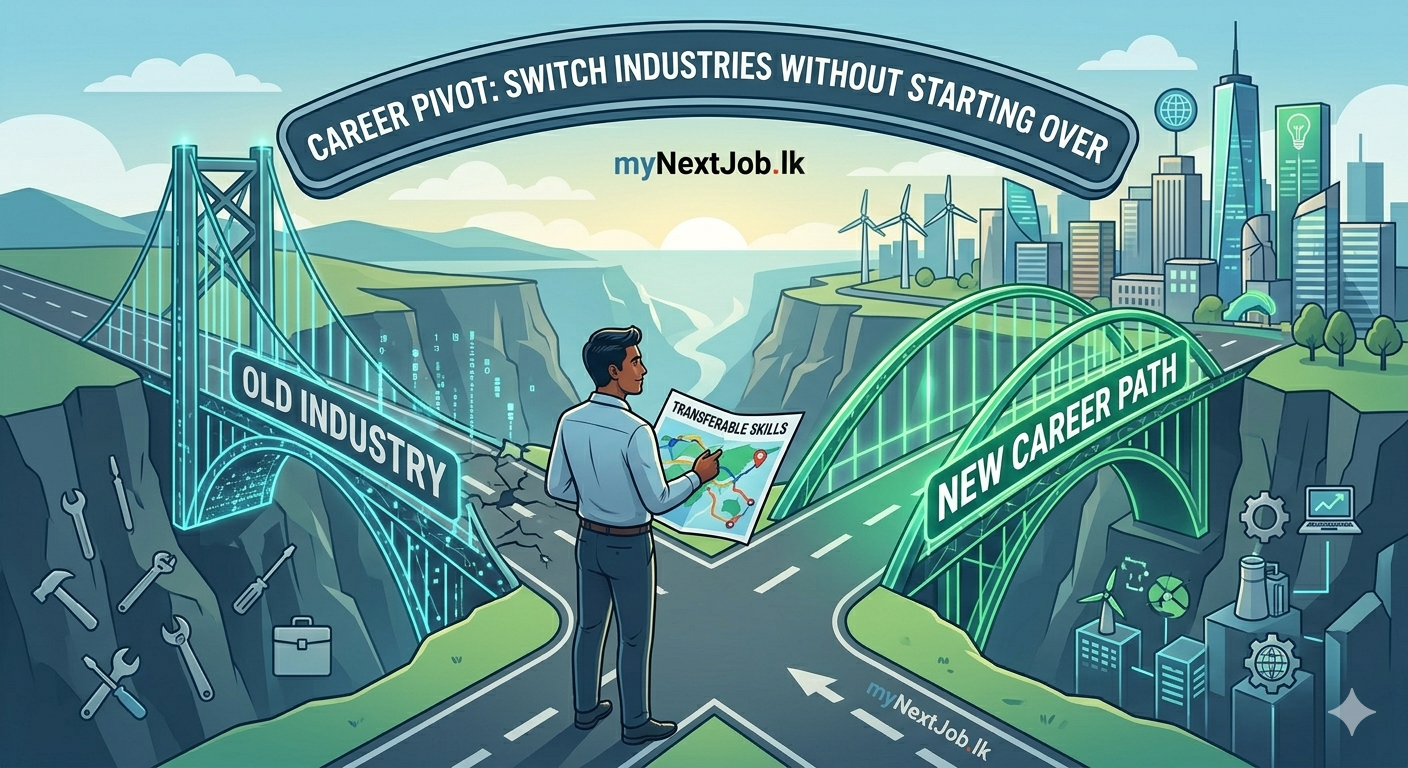
Understanding Your Transferable Skills
When considering a career transition, understanding your transferable skills is essential. These skills are the competencies and abilities that you possess, which can be valuable in various industries, providing a strong foundation upon which to build your new career. They often encompass interpersonal skills, technical skills, problem-solving capabilities, and more, all of which can be applicable in different settings.
Firstly, self-reflection is crucial in identifying your transferable skills. Take time to review your past work experience, focusing on the tasks you excelled at and received positive feedback for. For example, effective communication is a skill that transcends many industries, from marketing to healthcare. If you have consistently demonstrated an ability to convey ideas clearly and persuade others, this skill can be highlighted as a significant asset in your career change.
Moreover, leadership and project management experience can also be prominent transferable skills. If you have managed teams or led projects, these experiences showcase your ability to guide others and meet deadlines, which are highly valued in virtually any field. Your technical skills, even if specific to your previous industry, can also play a role. For instance, proficiency in data analysis or digital tools is relevant in many sectors, thus broadening your appeal as you pursue opportunities outside your current industry.
In articulating these skills in your resume and during interviews, it is important to explicitly connect your experiences to the requirements of the new industry. Use specific examples that demonstrate how these transferable skills will benefit the prospective employer. By presenting your capabilities clearly and confidently, you enhance your chances of a successful industry transition.
Conducting Market Research and Networking
Transitioning into a new industry necessitates a thorough understanding of that field, making market research a crucial first step. Begin by examining the companies that operate within your desired industry. Utilize online resources such as company websites, professional associations, and industry publications to gather insights into potential employers and their business models. Understanding industry trends and job roles will enhance your ability to pinpoint areas where your skills and experiences align.
To gain a well-rounded perspective, consider analyzing employment statistics, salary ranges, and growth projections for specific roles. Tools such as LinkedIn and Glassdoor not only provide company reviews but also facilitate research on the career paths of individuals who have successfully made similar transitions. Identifying key market trends can help you anticipate the future landscape of your chosen field and determine where your existing skills may be most applicable.
In conjunction with market research, networking plays an equally critical role in the process of switching industries. Connecting with professionals already established in your target field can be invaluable as they can offer real-world insights and advice based on their experiences. Begin by reaching out to your existing network to identify any connections who are working in the industry that interests you. Personal introductions can often yield fruitful conversations.
Additionally, utilize professional networking platforms such as LinkedIn to discover and engage with industry groups. Participating in online forums and attending local networking events, workshops, or industry conferences can further expand your knowledge and profile within the new field. Informational interviews are an excellent strategy for gathering firsthand information; they allow you to ask questions about day-to-day responsibilities and required skill sets, offering both clarity and guidance in your career change journey.
Crafting a Targeted Resume and Cover Letter
When embarking on a career change, creating a targeted resume and cover letter is essential to effectively communicate your transferable skills and relevant experiences. The objective is to format your resume in a way that highlights accomplishments and skills that resonate particularly well with hiring managers in your desired industry. Begin by conducting extensive research into the sector you are aiming to enter. Understanding the key skills, qualifications, and terms used will help you incorporate industry-specific language into your documents, making a more convincing case for your candidacy.
Start your resume with a strong summary statement or objective that captures your career aspirations and the unique value you bring. This statement should succinctly articulate your motivations for switching industries while showcasing your essential skills. Following this, focus on the work experience section. Rather than listing job duties, emphasize accomplishments and outcomes that demonstrate your capabilities. Use quantifiable results wherever possible to highlight the impact you have made in previous roles.
In addition to your resume, your cover letter is a critical element of your application. It provides an opportunity to tell your story and explain your motivation for making the switch. Start with a compelling introduction that captures the hiring manager’s attention. Use the body of the letter to detail your transferable skills, linking them directly to the requirements of the new role. Be sure to convey passion for the industry, as well as your willingness to learn and adapt.
Consider employing specific phrases such as “transferable skills” and “relevant experiences” throughout both documents. This not only reinforces your position but also aligns your experiences with the language commonly found in the target industry. Ultimately, effectively crafting a resume and cover letter tailored to a new career path will significantly enhance your chances of securing interviews during your industry transition.
Preparing for Interviews in a New Field
Transitioning to a new industry can be both exciting and daunting, particularly when preparing for interviews where you may face questions about your non-traditional background. To navigate this process, it’s essential to exhibit how your previous experiences and skills are relevant to the role you are pursuing. When crafting your responses, focus on transferable skills such as problem-solving, teamwork, and communication, which are valued across industries.
Common interview questions may include inquiries about your interest in the new field, your motivations for the career change, and how you plan to tackle any gaps in your direct experience. When addressing these questions, utilize career change advice that emphasizes your enthusiasm for learning. Clearly articulate how your diverse background can bring fresh perspectives and solutions to the new role. For instance, highlight specific projects from your past that required adaptability or a quick learning curve, showcasing your ability to thrive in new environments.
Moreover, demonstrating your commitment to the new industry can help alleviate concerns regarding your lack of experience. Research the industry thoroughly, becoming familiar with key trends, challenges, and the competencies sought by employers. This knowledge allows you to engage in informed discussions and ask insightful questions during the interview, reflecting your proactive approach and genuine interest.
In addition to showcasing your relevant skills and knowledge, it is vital to express a willingness to learn and grow within the new field. Employers appreciate candidates who display adaptability and a readiness to embrace challenges. By conveying your excitement about developing new skills and contributing to the organization’s success, you reinforce your candidacy despite potential reservations regarding direct industry experience. Such a positive demeanor can significantly enhance your perceived value throughout the interview process.