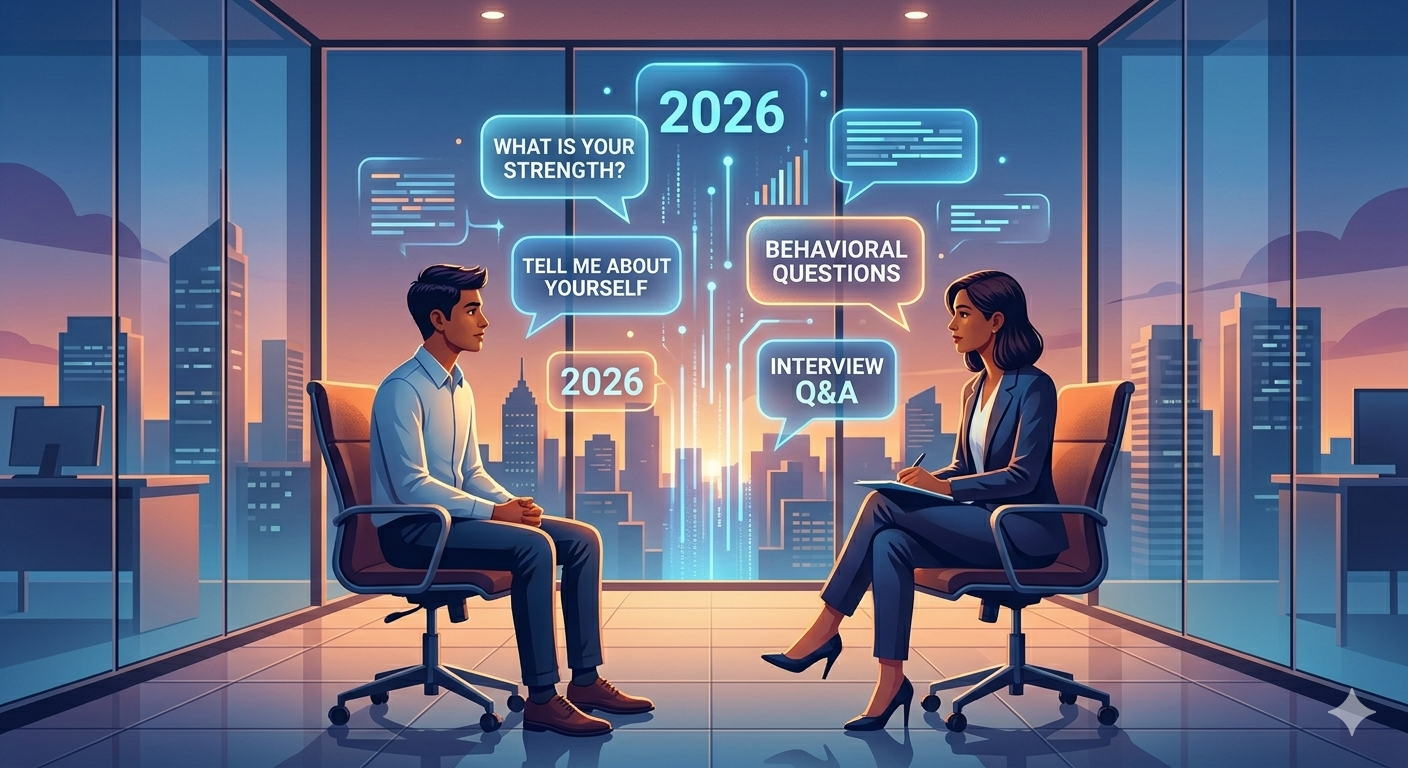
Understanding the Evolution of Interview Questions
Over the years, interview questions have undergone significant transformation, reflecting the continuous evolution of workplace dynamics and candidate expectations. The landscape of job interviews in 2026 is markedly different from previous decades, primarily due to advancements in technology, changes in organizational culture, and a sharper focus on soft skills.
One of the most prominent trends influencing common interview questions and answers is the integration of technology in the hiring process. Organizations are increasingly leveraging artificial intelligence and data analytics to streamline recruitment, allowing for more targeted and relevant interview questions. This technological shift facilitates a more personalized approach to interviews, where candidates may encounter questions tailored to their specific skills, experiences, and the unique requirements of the role they are applying for.
Moreover, the influence of data-driven hiring practices has reshaped how companies assess candidates. Organizations now rely on empirical evidence to develop interview questions that effectively predict a candidate’s future performance within the company. Consequently, behavioral and situational questions have risen in popularity, seeking to gauge how candidates might respond to real-world challenges they would face in their potential roles.
Changes in organizational culture also play a crucial role in shaping common interview questions. Many companies are prioritizing diversity, equity, and inclusion, prompting questions that delve into a candidate’s ability to work collaboratively within diverse teams. As soft skills gain prominence, interviewers are focusing on assessing attributes like adaptability, emotional intelligence, and communication skills, often through open-ended questions designed to elicit insightful responses about personal experiences and problem-solving abilities.
Overall, the evolution of interview questions in 2026 embodies a response to the changing workforce landscape, with a clear emphasis placed on adaptability and interpersonal skills, ensuring that candidates are not only qualified for their roles but also aligned with the company culture.
Preparing for Common Interview Questions
Successfully answering common interview questions requires strategic preparation, ensuring candidates can effectively communicate their qualifications and fit for the role. A primary step in this process is to conduct thorough research on the company you are interviewing with. Understanding the company’s culture, values, history, and mission can help you tailor your responses to demonstrate your alignment with their goals. Utilize resources such as the company’s website, recent news articles, and industry reports to gather insights.
Equally important is comprehending the specific role for which you are applying. Review the job description meticulously and identify key skills and experiences that the employer prioritizes. This will not only help you anticipate common interview questions but also guide you in articulating how your background addresses those requirements. Make a list of your experiences that directly correlate with the responsibilities outlined in the job description. This alignment is crucial for making your candidacy compelling to interviewers.
In addition to preparation through research, employing a structured approach to your answers will enhance clarity and impact. One effective method is the STAR technique, which stands for Situation, Task, Action, and Result. This framework allows you to create narrative answers by describing the context of a situation you faced, the specific task you needed to accomplish, the actions you took to address it, and the results achieved. This method not only helps organize your thoughts but also provides concrete examples demonstrating your competencies and problem-solving abilities.
By combining detailed research about the company and role with the STAR technique for structuring your answers, you will significantly improve your preparedness for common interview questions. This comprehensive approach will equip you to convey your qualifications effectively and make a lasting impression during interviews in 2026.
Crafting Personalized Responses
In the realm of interviews, how candidates respond to common interview questions can significantly impact their chances of securing a position. A tailored response is essential, as it not only highlights a candidate’s individual qualifications but also demonstrates genuine interest in the specific role. Thus, it is crucial to align your responses with both your personal background and the nuances of the job opportunity at hand.
One effective strategy for creating personalized responses is to incorporate personal anecdotes that reflect your experiences and achievements. For instance, when asked about a challenge you faced in the workplace, recount a specific scenario that showcases your problem-solving skills and what you learned from that experience. This approach not only makes your answer more engaging but also provides the interviewer with a clear illustration of your abilities in action.
Additionally, highlight relevant professional achievements that pertain to the position. Use quantifiable results to support your claims; for example, mentioning an increase in sales by a certain percentage as a result of your innovative marketing strategy adds credibility to your answer. Such specifics help you stand out among candidates who may provide generic responses.
To ensure that your personalized answers come across as natural and confident during the interview, practice is essential. Conduct mock interviews with friends or utilize platforms where you can rehearse responses to common interview questions and answers. This not only builds your confidence but also allows for refining your delivery. Additionally, recording yourself can yield valuable feedback on your tone and body language, which are crucial elements during the interview.
Emphasizing Skills and Values in Answers
In today’s competitive job market, particularly in 2026, it is essential to emphasize both hard and soft skills when responding to common interview questions. Hard skills refer to the specific technical abilities required for a job, such as proficiency in software programs, data analysis, or project management. Conversely, soft skills encompass personality traits and interpersonal capabilities like communication, teamwork, and adaptability. Both categories of skills are increasingly important, as employers seek candidates who not only excel at their tasks but can also effectively collaborate with teams and navigate change.
When answering questions like “What are your strengths?” or “Can you describe a challenge you faced at work?”, it becomes critical to weave relevant skills and values into your responses. For instance, if discussing your strengths, you might say, “I excel at both technical project management and fostering team communication. During a recent project, I implemented Agile methodologies, which improved our workflow. This experience honed my ability to adapt to unforeseen challenges while ensuring that my team remained aligned and focused on our goals.”
Additionally, when confronted with behavioral questions, such as “Describe a time you worked in a team,” be specific about how your skills contributed to the team’s success. A response could highlight your adaptability by stating, “In a project where our key team member left unexpectedly, I took the initiative to redistribute tasks effectively while keeping the team motivated and engaged. This experience not only showcased my resilience under pressure but also reinforced the importance of collaboration.” By providing concrete examples that illustrate both sets of skills, candidates can enhance their chances of impressing interviewers with their comprehensive capabilities and values.