
Blog

  • Understanding EPF and ETF: A Guide for Every Private Sector Employee

    Understanding EPF and ETF: A Guide for Every Private Sector Employee

    What is EPF (Employees’ Provident Fund)?

    The Employees’ Provident Fund (EPF) is a mandatory savings scheme designed to provide financial security to employees in the private sector. Its primary purpose is to help workers save for retirement by facilitating automatic contributions from both the employer and the employee. Established in Sri Lanka in 1958, the EPF’s relevance has grown significantly alongside the increasing need for secure retirement planning.

    The EPF operates through a structured contribution system where employees contribute 8% of their monthly salary, while employers are required to contribute an additional 12%. This dual contribution is essential for ensuring that employees build a substantial corpus over their working life. The accumulated funds are further managed by the Central Bank of Sri Lanka, which invests them in various avenues, aiming for a stable return on investment that ultimately benefits EPF account holders.

    One of the key advantages of the EPF is its role in promoting long-term savings. It encourages responsible financial planning among employees, allowing them to grow their capital over time. Participants in the EPF can also enjoy tax benefits under specific conditions, making it a compelling option for retirement savings. To qualify, employees must meet certain criteria, including age and employment status, ensuring that only eligible individuals can benefit from this savings mechanism.

    In light of the financial challenges many individuals face during retirement, the significance of the EPF in Sri Lanka cannot be overstated. It acts as a reliable safety net that shields employees from the uncertainties of old age, thereby reinforcing the importance of contributing to the EPF. Overall, the EPF is a crucial component of financial planning, providing a structured approach to saving effectively for a secure future.

    What is ETF (Exchange-Traded Fund)?

    An Exchange-Traded Fund (ETF) is an investment vehicle that combines characteristics of both individual stocks and mutual funds. In simple terms, it is a collection of assets, such as stocks, bonds, or commodities, that is traded on a stock exchange, similar to individual shares. One of the distinct advantages of ETFs is their ability to provide diversification, as they offer exposure to a variety of underlying assets in a single purchase. This is particularly beneficial for private sector employees in Sri Lanka looking to expand their investment portfolios.

    Unlike traditional mutual funds, which are priced at the end of the trading day, ETFs are traded throughout the day on stock exchanges, offering greater liquidity and flexibility. This means investors can buy and sell ETFs at any point during market hours, allowing them to take advantage of price fluctuations more effectively.

    The structure of ETFs typically involves a fund manager who handles the investments and an authorized participant who manages shares to ensure that supply meets demand. The assets of an ETF are usually designed to track a specific index, commodity, or sector, which helps investors align their portfolios with market trends. There are various types of ETFs available, ranging from equity and bond ETFs to sector and international ETFs, catering to a diverse range of investment preferences.

    For private sector employees aiming to grow their savings, selecting the right ETFs is crucial. It is advisable to consider factors such as expense ratios, historical performance, and the liquidity of the fund when making investment decisions. Additionally, aligning ETFs with personal financial goals and risk tolerance can lead to more effective wealth-building strategies.

    Comparing EPF and ETF: Key Differences and Similarities

    The Employees’ Provident Fund (EPF) and the Employees’ Trust Fund (ETF) are two critical components of the retirement savings system in Sri Lanka, designed to support private sector employees. While both serve the overarching purpose of providing financial security during retirement, they exhibit distinct differences in structure, investment strategies, and tax implications.

    To begin with, the EPF functions as a compulsory savings scheme for employees, wherein both the employee and employer contribute specific percentages of the employee’s monthly salary. The primary goal of the EPF is to ensure that employees accumulate a substantial corpus over time, which can be accessed upon retirement or in other defined circumstances. The funds accumulated in the EPF are typically invested in low-risk instruments, making it a stable yet modest return-oriented option.

    On the other hand, the ETF is a supplementary fund that aims to provide additional security for employees. Employers contribute a fixed amount to the ETF for their employees, but employees do not make contributions directly. This fund is structured to promote more aggressive investment strategies, focusing on capital market instruments that may yield higher returns over the long term, albeit with increased risk. As such, while the EPF is geared towards guaranteed savings, the ETF potentially offers higher returns based on market performance.

    Furthermore, the tax implications for both funds differ. Contributions made to the EPF are often exempt from taxation, providing immediate benefits to the employee. In contrast, withdrawals from the ETF can be subject to different tax regulations, depending on the duration of the investment and the circumstances for withdrawal. Understanding these distinctions is crucial for employees aiming to make informed decisions about their financial future.

    Both EPF and ETF hold unique advantages and can reinforce each other in a comprehensive financial strategy. By utilizing both, a balanced approach to retirement savings is attainable, providing employees with a safety net as well as the potential for greater growth.

    How to Effectively Manage Your EPF and ETF Investments

    Managing your Employees’ Provident Fund (EPF) and Exchange Traded Funds (ETF) investments in Sri Lanka requires a structured approach to ensure long-term financial security and growth. First, it is essential to set clear savings goals, which serve as a roadmap for your retirement journey. Assess your financial needs and lifespan in retirement to define the amount you should aim to accumulate through these investment vehicles. Having specific targets helps in choosing appropriate investment strategies that align with your risk appetite.

    Understanding your risk tolerance is critical when selecting among various investment strategies. EPF and ETF investments typically have different risk profiles. EPF guarantees a stable return, while ETFs might offer higher returns through diverse stock market exposure but come with associated risks. Therefore, while EPF should form the foundation of your retirement savings, incorporating ETFs allows for greater potential returns, provided that they align with your comfort level regarding risk.

    Keeping an eye on market trends is another vital aspect of managing your EPF and ETF investments effectively. This includes being aware of both local and global economic indicators that could impact your investments. Regularly reviewing the performance of your ETFs in relation to market changes is advisable, as this allows you to pivot your strategy as needed.

    Diversification is paramount in building a robust retirement portfolio. By spreading your investments across various sectors and asset classes within the ETF space, you reduce the impact of market volatility on your overall portfolio. Additionally, consider adjusting your investment allocations periodically to reflect any changes in your financial situation, market performance, or retirement goals.

  • How to Successfully Switch Industries Without Starting Over

    How to Successfully Switch Industries Without Starting Over

    Understanding Your Transferable Skills

    When considering a career transition, understanding your transferable skills is essential. These skills are the competencies and abilities that you possess, which can be valuable in various industries, providing a strong foundation upon which to build your new career. They often encompass interpersonal skills, technical skills, problem-solving capabilities, and more, all of which can be applicable in different settings.
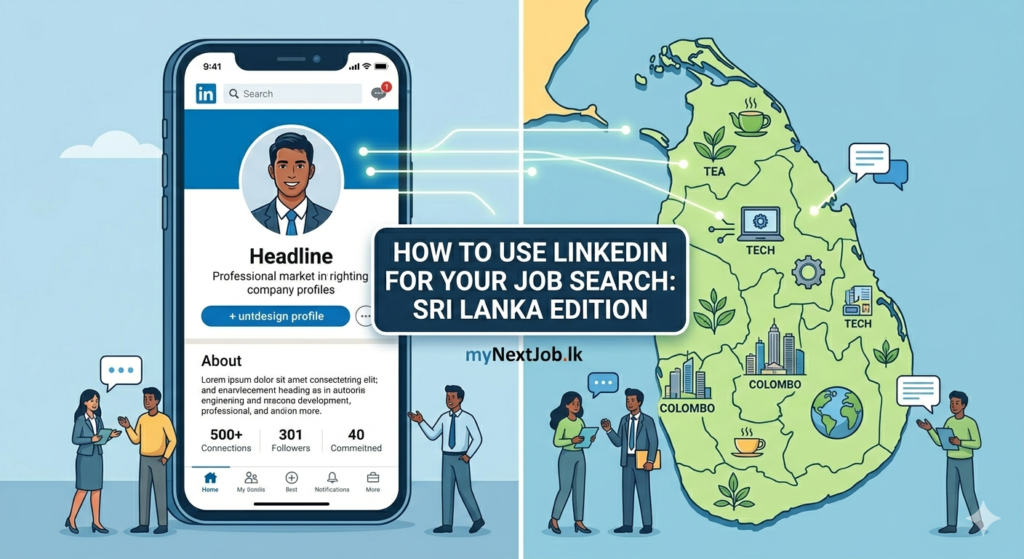
    Firstly, self-reflection is crucial in identifying your transferable skills. Take time to review your past work experience, focusing on the tasks you excelled at and received positive feedback for. For example, effective communication is a skill that transcends many industries, from marketing to healthcare. If you have consistently demonstrated an ability to convey ideas clearly and persuade others, this skill can be highlighted as a significant asset in your career change.

    Moreover, leadership and project management experience can also be prominent transferable skills. If you have managed teams or led projects, these experiences showcase your ability to guide others and meet deadlines, which are highly valued in virtually any field. Your technical skills, even if specific to your previous industry, can also play a role. For instance, proficiency in data analysis or digital tools is relevant in many sectors, thus broadening your appeal as you pursue opportunities outside your current industry.

    In articulating these skills in your resume and during interviews, it is important to explicitly connect your experiences to the requirements of the new industry. Use specific examples that demonstrate how these transferable skills will benefit the prospective employer. By presenting your capabilities clearly and confidently, you enhance your chances of a successful industry transition.

    Conducting Market Research and Networking

    Transitioning into a new industry necessitates a thorough understanding of that field, making market research a crucial first step. Begin by examining the companies that operate within your desired industry. Utilize online resources such as company websites, professional associations, and industry publications to gather insights into potential employers and their business models. Understanding industry trends and job roles will enhance your ability to pinpoint areas where your skills and experiences align.

    To gain a well-rounded perspective, consider analyzing employment statistics, salary ranges, and growth projections for specific roles. Tools such as LinkedIn and Glassdoor not only provide company reviews but also facilitate research on the career paths of individuals who have successfully made similar transitions. Identifying key market trends can help you anticipate the future landscape of your chosen field and determine where your existing skills may be most applicable.

    In conjunction with market research, networking plays an equally critical role in the process of switching industries. Connecting with professionals already established in your target field can be invaluable as they can offer real-world insights and advice based on their experiences. Begin by reaching out to your existing network to identify any connections who are working in the industry that interests you. Personal introductions can often yield fruitful conversations.

    Additionally, utilize professional networking platforms such as LinkedIn to discover and engage with industry groups. Participating in online forums and attending local networking events, workshops, or industry conferences can further expand your knowledge and profile within the new field. Informational interviews are an excellent strategy for gathering firsthand information; they allow you to ask questions about day-to-day responsibilities and required skill sets, offering both clarity and guidance in your career change journey.

    Crafting a Targeted Resume and Cover Letter

    When embarking on a career change, creating a targeted resume and cover letter is essential to effectively communicate your transferable skills and relevant experiences. The objective is to format your resume in a way that highlights accomplishments and skills that resonate particularly well with hiring managers in your desired industry. Begin by conducting extensive research into the sector you are aiming to enter. Understanding the key skills, qualifications, and terms used will help you incorporate industry-specific language into your documents, making a more convincing case for your candidacy.

    Start your resume with a strong summary statement or objective that captures your career aspirations and the unique value you bring. This statement should succinctly articulate your motivations for switching industries while showcasing your essential skills. Following this, focus on the work experience section. Rather than listing job duties, emphasize accomplishments and outcomes that demonstrate your capabilities. Use quantifiable results wherever possible to highlight the impact you have made in previous roles.

    In addition to your resume, your cover letter is a critical element of your application. It provides an opportunity to tell your story and explain your motivation for making the switch. Start with a compelling introduction that captures the hiring manager’s attention. Use the body of the letter to detail your transferable skills, linking them directly to the requirements of the new role. Be sure to convey passion for the industry, as well as your willingness to learn and adapt.

    Consider employing specific phrases such as “transferable skills” and “relevant experiences” throughout both documents. This not only reinforces your position but also aligns your experiences with the language commonly found in the target industry. Ultimately, effectively crafting a resume and cover letter tailored to a new career path will significantly enhance your chances of securing interviews during your industry transition.

    Preparing for Interviews in a New Field

    Transitioning to a new industry can be both exciting and daunting, particularly when preparing for interviews where you may face questions about your non-traditional background. To navigate this process, it’s essential to exhibit how your previous experiences and skills are relevant to the role you are pursuing. When crafting your responses, focus on transferable skills such as problem-solving, teamwork, and communication, which are valued across industries.

    Common interview questions may include inquiries about your interest in the new field, your motivations for the career change, and how you plan to tackle any gaps in your direct experience. When addressing these questions, utilize career change advice that emphasizes your enthusiasm for learning. Clearly articulate how your diverse background can bring fresh perspectives and solutions to the new role. For instance, highlight specific projects from your past that required adaptability or a quick learning curve, showcasing your ability to thrive in new environments.

    Moreover, demonstrating your commitment to the new industry can help alleviate concerns regarding your lack of experience. Research the industry thoroughly, becoming familiar with key trends, challenges, and the competencies sought by employers. This knowledge allows you to engage in informed discussions and ask insightful questions during the interview, reflecting your proactive approach and genuine interest.

    In addition to showcasing your relevant skills and knowledge, it is vital to express a willingness to learn and grow within the new field. Employers appreciate candidates who display adaptability and a readiness to embrace challenges. By conveying your excitement about developing new skills and contributing to the organization’s success, you reinforce your candidacy despite potential reservations regarding direct industry experience. Such a positive demeanor can significantly enhance your perceived value throughout the interview process.

  • How to Use LinkedIn to Land a Job in the Local Market

    How to Use LinkedIn to Land a Job in the Local Market

    Understanding the Power of LinkedIn in Job Searching

    LinkedIn has established itself as a dominant force in the professional networking landscape, serving as a vital tool for job seekers who wish to navigate the local market effectively. Its unique advantages in the job search process cannot be overlooked, positioning it as a preferred platform among both recruiters and candidates. The capacity for direct interaction fosters authentic connections, making it an invaluable resource for those in pursuit of employment opportunities.
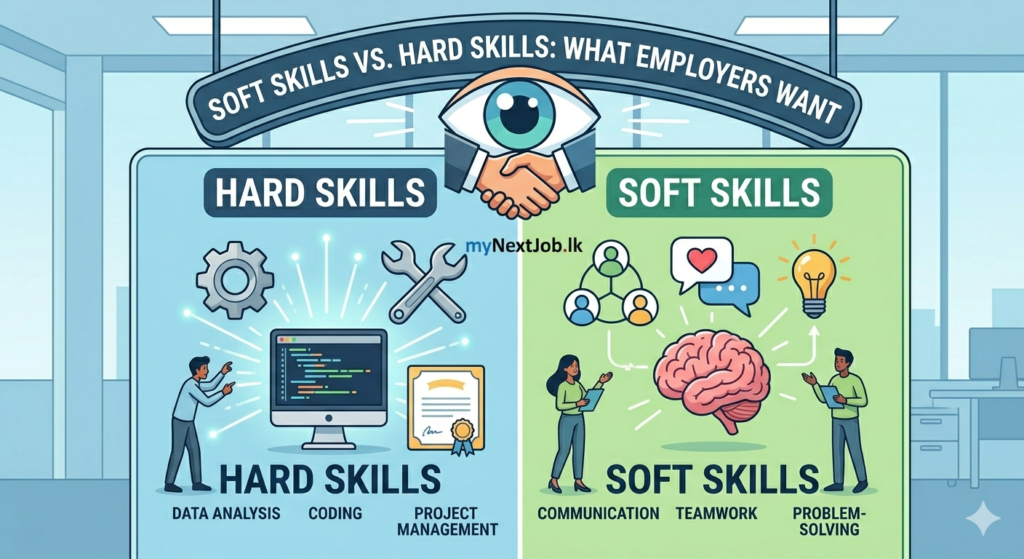
    One of the primary benefits of LinkedIn is its extensive database, which encompasses millions of profiles across various industries. According to recent statistics, a significant percentage of recruiters—approximately 90%—utilize LinkedIn as their primary means of discovering talent. The platform’s ability to match job seekers with relevant openings based on skills, experience, and local geographical context is unparalleled. This tailored approach enhances the likelihood of finding a suitable position, making LinkedIn one of the most effective job search methods available.

    Additionally, LinkedIn stands out for its job posting features, allowing companies to showcase their brand while attracting candidates in a localized manner. Job seekers can engage with job advertisements, directly apply through the platform, and benefit from recommendations based on their professional network. This feature not only simplifies the application process but also increases the visibility of the candidates’ profiles to prospective employers. Moreover, LinkedIn supports the concept of referrals, where connections can endorse skills or recommend individuals for positions, thus enhancing the credibility and appeal of applicants.

    In comparison to traditional job search methods, such as job boards or recruitment agencies, LinkedIn provides a more interactive and personalized experience. It empowers candidates to build their brand, develop professional relationships, and engage with industry thought leaders, creating a dynamic foundation for success in their local job search efforts.

    Optimizing Your LinkedIn Profile for Local Job Opportunities

    Utilizing LinkedIn effectively can enhance your chances of securing local employment by ensuring that your profile stands out to potential employers in your vicinity. One crucial element to consider is crafting a compelling headline. Instead of simply stating your job title, integrate keywords related to your industry along with the locality you are targeting. For example, ‘Marketing Specialist in Denver’ not only indicates your role but also highlights your geographical focus, making it easier for local recruiters to find you.

    Your LinkedIn summary section plays a pivotal role in your job search strategy. It should not only reflect your professional journey but also align with your personal branding. Begin with a strong opening statement that encapsulates your essence, then outline your skills, experiences, and what you bring to local employers. Ensure that your summary includes keywords pertinent to your industry, as this assists in searching algorithms, allowing recruiters in your area to discover your profile easily.

    When showcasing relevant experiences, focus on achievements that are meaningful to the local community or industry. Highlighting local accomplishments demonstrates that you understand the regional market and are invested in contributing positively to it. Additionally, ensure that your work history is well-organized, with clear descriptions that include metrics and outcomes whenever possible to quantify your success.

    Finally, consider the importance of network connections. Building and engaging with local professional groups on LinkedIn can significantly enhance your visibility. Connecting with local professionals and joining industry-related groups allows you to engage in conversations that showcase your expertise and commitment to the local market. By prioritizing regional keywords and interactions, your LinkedIn profile can become an effective tool for your job search.

    Networking Strategies on LinkedIn for Local Job Searches

    When conducting a job search in your local market, leveraging LinkedIn’s networking capabilities can be pivotal to your success. A key strategy involves connecting with industry professionals in your area. Begin by searching for individuals whose roles align with your career aspirations. Send personalized connection requests that outline your interest in their work and mention any commonalities you share, such as mutual connections or similar educational backgrounds. This approach fosters warmth and establishes an avenue for future conversations.

    Another effective networking tactic is to join local industry groups on LinkedIn. Participating in these groups enables you to engage with professionals who share your interests and geographical area. Actively contribute to discussions, share insights, or ask questions. Your engagement not only boosts your visibility but also allows you to demonstrate your expertise. Regular participation can position you as a knowledgeable member within your field, which opens doors for networking opportunities.

    Additionally, consider requesting informational interviews with professionals in your desired field. These discussions allow you to gain invaluable insights into local job markets while showcasing your eagerness to learn and network. Approach these requests with respect for their time; express your admiration for their career path and outline what you hope to learn from the conversation. Informational interviews can often lead to valuable connections, referrals, or even job leads.

    Finally, do not underestimate the power of existing connections. Review your LinkedIn network for any acquaintances who may know about job openings in your locality. Reach out with a careful message expressing your job search intentions and kindly ask if they could introduce you to contacts or provide referrals if appropriate. These utilization strategies, tailored to local job seekers, will significantly enhance your job search efforts on LinkedIn.

    Navigating Job Listings and Applying on LinkedIn

    Utilizing LinkedIn as a tool for job searching requires a strategic approach, especially when focusing on local market listings. To commence, it is essential to leverage the advanced search capabilities of LinkedIn. You can employ various filters such as location, industry, and job type. This allows you to narrow down your job search effectively. For instance, entering your desired position along with your city enables you to view openings specifically relevant to your locality, ensuring you do not miss out on potential opportunities.

    When viewing job postings, take note of the requirements and preferred qualifications. It is advisable to tailor your application materials accordingly. Customizing your resume and cover letter to highlight your most relevant skills and experiences increases your chances of making a strong impression on recruiters. In light of the competitive job environment, demonstrating clear alignment between your qualifications and the job description is vital.

    After submitting your application, consider the importance of following up. Sending a concise and polite follow-up message to the hiring manager or recruiter can showcase your enthusiasm for the position. Effective communication often distinguishes candidates in the hiring process, making it a critical aspect of your LinkedIn job search strategy.

    Furthermore, leveraging your professional connections can significantly enhance your chances of being noticed. Engaging with contacts in your industry or directly related to the job can lead to insights about the position and even recommendations that may bolster your application. In summary, employing the right LinkedIn job search tips and strategies will facilitate a more effective and targeted approach to securing employment in your local market.

  • Soft Skills vs. Hard Skills: What Sri Lankan Employers Are Looking For

    Soft Skills vs. Hard Skills: What Sri Lankan Employers Are Looking For

    Understanding Hard Skills

    Hard skills are defined as specific, teachable abilities or knowledge sets that can easily be quantified. Unlike soft skills, which are more subjective and often related to interpersonal abilities, hard skills are typically acquired through formal education, vocational training, or job experience. These skills possess a technical nature, meaning they are generally measurable and applicable to practical tasks within a job setting.
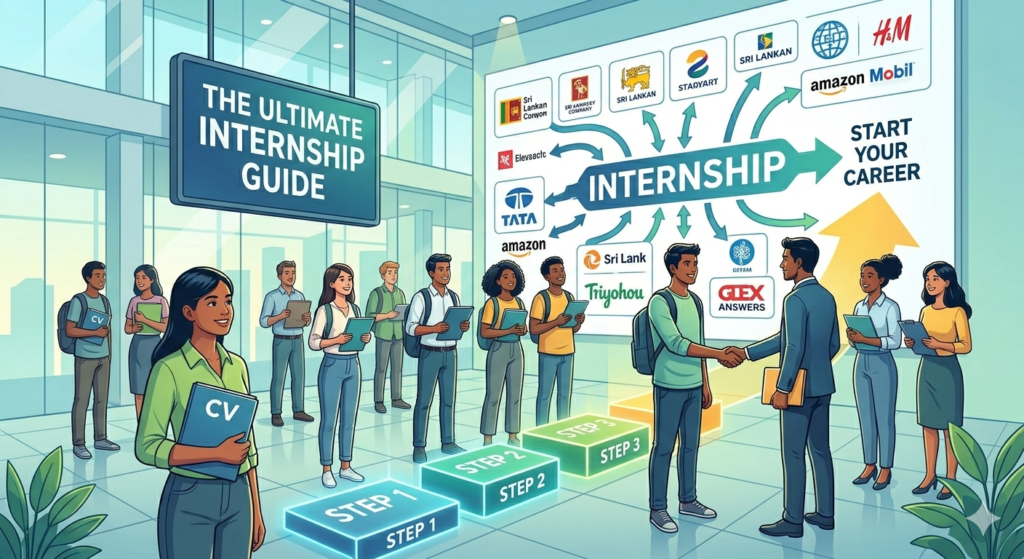
    In the context of the Sri Lankan job market, several hard skills are particularly in demand. For example, proficiency in information technology (IT) has become crucial as digital transformation continues to evolve across various sectors. Employers often seek candidates with solid IT skills, such as coding, data analysis, and cybersecurity expertise, as these abilities directly impact business efficiencies and competitiveness.

    Additionally, having technical certifications can significantly enhance a candidate’s resume, demonstrating both commitment and proficiency in specific areas. Certifications may include fields such as project management (e.g., PMP), networking (e.g., CCNA), or software development (e.g., AWS Certified Solutions Architect). Language skills also represent a vital hard skill, especially in a multicultural environment like Sri Lanka, where proficiency in languages such as English and Sinhala increases employability and effectiveness in communication within a business context.

    Employers usually evaluate hard skills through a combination of resumes, practical tests, and interviews. Resumes serve as the first point of contact, where candidates highlight their technical capabilities. Subsequently, skill assessments during interviews allow employers to gauge the candidate’s proficiency directly. Therefore, effectively showcasing these top skills for resumes can greatly improve candidates’ chances of securing job opportunities in Sri Lanka.

    Exploring Soft Skills

    In the competitive job market of Sri Lanka, soft skills have emerged as critical components for job seekers. These interpersonal qualities enable individuals to interact effectively and harmoniously with others, significantly influencing the workplace dynamics. Soft skills include attributes such as communication, teamwork, problem-solving, adaptability, and emotional intelligence.

    Communication skills are essential, as they facilitate clear and concise exchanges of ideas and information. Whether it is verbal or written communication, the ability to convey thoughts effectively can demonstrate a candidate’s capability to function within a team and contribute to organizational goals. Employers in Sri Lanka often prioritize candidates who can articulate their thoughts in a manner that fosters understanding and collaboration.

    Teamwork is another vital soft skill that Sri Lankan employers value highly. The ability to collaborate and work effectively with diverse teams can significantly enhance productivity. Employers seek individuals who can seamlessly integrate into existing teams, respecting differing opinions and contributions while collectively striving toward shared objectives.

    Problem-solving skills are indispensable in today’s fast-paced work environments. Candidates who demonstrate the ability to analyze issues, think critically, and present effective solutions position themselves as desirable hires. This skill indicates adaptability—another valued trait that showcases an individual’s capability to navigate challenges and adjust to changing work conditions efficiently.

    The integration of these soft skills not only promotes workplace harmony but also enhances overall productivity. In many instances, strong soft skills contribute to decisive hiring criteria, as employers recognize that technical expertise should be complemented by interpersonal proficiency. Consequently, being proficient in the top skills for resumes often guides candidates toward successful employment opportunities in Sri Lanka.

    The Importance of Balancing Soft and Hard Skills

    In the current job market in Sri Lanka, the significance of maintaining a balance between soft and hard skills cannot be overstated. Employers are increasingly recognizing that a blend of these skill sets is essential for achieving success in various roles. While hard skills are often easily measured and defined – including technical knowledge, proficiency in specific tools or software, and other quantifiable abilities – soft skills, such as communication, problem-solving, and teamwork, play a crucial role in enhancing workplace dynamics.

    According to a recent report by the Sri Lanka Institute of Management, 75% of employers surveyed indicated a strong preference for candidates possessing both hard and soft skills. This statistic underscores the need for job seekers to present a well-rounded skill set in their resumes. Different industries may prioritize various skills; for example, the technology sector often emphasizes programming and analytical skills, while roles in hospitality might prioritize interpersonal skills and emotional intelligence. However, even in fields that traditionally lean towards hard skills, the value of soft skills cannot be underestimated.

    A case study involving a leading financial services firm in Sri Lanka revealed that employees who excelled in both categories were 40% more likely to be promoted within two years compared to their peers who were solely experts in hard skills. This finding illustrates that possessing a mixture of these competencies not only enhances a candidate’s employability but also improves long-term career advancement opportunities.

    Furthermore, as job markets continue to evolve, the demand for adaptable candidates who can navigate both technical challenges and interpersonal dynamics is growing. By integrating both soft skills and hard skills into their resumes, candidates can significantly boost their attractiveness to potential employers. Ultimately, the balance between these two skill categories is crucial for sustained professional development and success in Sri Lanka’s competitive job market.

    Tips for Developing Essential Skills for Employment

    In the competitive job market of Sri Lanka, it is imperative for job seekers to develop both hard and soft skills. These skills, recognized as the top skills for resumes, are often the differentiators in landing a desirable position. Effective methods for developing hard skills include pursuing formal education, enrolling in online courses, attending workshops, and participating in internships. Each of these avenues provides a structured path to acquiring specific competencies that employers are seeking.

    Formal education, such as diploma or degree programs, can provide foundational knowledge in various fields, while online courses offer flexibility to learn at one’s own pace. Workshops typically provide hands-on experience that is crucial for skill mastery. Furthermore, internships not only bolster hard skills but also provide real-world context and exposure to working environments, which can greatly enhance a resume.

    On the other hand, soft skills, which are equally important, require different strategies for development. Job seekers are encouraged to engage in networking opportunities, which allow for interaction with industry professionals and peers. Additionally, volunteering can foster key attributes like teamwork and communication, essential components of soft skills. Joining professional groups and organizations can also provide a platform for developing these essential interpersonal skills.

    Regular self-assessment is vital in identifying areas of improvement in both hard and soft skills. By reflecting on performance and seeking feedback from others, individuals can create a targeted plan for continuous improvement. Ultimately, the combination of hard and soft skills will significantly enhance a job seeker’s ability to craft a compelling resume and stand out in the eyes of potential employers.

  • The Ultimate Internship Guide for Undergraduates and Fresh Graduates

    The Ultimate Internship Guide for Undergraduates and Fresh Graduates

    Understanding the Importance of Internships

    Internships play a crucial role in shaping the careers of undergraduates and fresh graduates. They serve as a bridge between academic knowledge and practical application, enabling students to develop essential skills that textbooks alone cannot provide. Engaging in an internship allows individuals to gain firsthand experience in their chosen fields, fostering a deeper understanding of industry-specific practices, workplace culture, and professional expectations.

    One of the primary benefits of undertaking an internship is the opportunity to acquire practical skills. These skills are not only vital for enhancing a resume but also for boosting confidence levels as students transition from academic environments to the workforce. Through internships, participants learn various competencies, such as teamwork, communication, and problem-solving, which are indispensable in any career pursuit.

    Additionally, internships significantly enhance employability. In today’s competitive job market, employers often seek candidates who possess relevant experience. An internship demonstrates a candidate’s commitment to their field, their initiative in gaining practical experience, and their readiness to contribute effectively to a workplace. Many companies prefer to hire individuals who have previously interned within the organization, as these individuals are already familiar with company operations and culture. This familiarity can often lead to full-time job offers upon graduation.

    Internships also vary widely in type, ranging from paid to unpaid positions, part-time to full-time commitments, and summer programs to year-long placements. Each type of internship can provide unique advantages and experiences that can significantly influence a graduate’s career trajectory. For instance, a research internship can lead to further academic opportunities, while a corporate internship may provide a path to entrepreneurial ventures or permanent employment within a corporation.

    Ultimately, internships stand as a cornerstone for personal and professional development, making them an essential consideration for any undergraduate or fresh graduate aiming for success in their future careers.

    How to Find the Right Internship

    Finding the right internship is a crucial step for undergraduates and fresh graduates aiming to enhance their career prospects. To begin, leveraging university resources can significantly increase opportunities. Most universities have career centers that offer internship listings, workshops, and can connect students with alumni working in their desired fields. Engaging with these institutions not only provides access to listings but also guidance on resume writing and interview preparation.

    Online job boards are another invaluable tool for finding internships. Websites such as Indeed, Glassdoor, and LinkedIn have extensive databases of internships tailored to various fields. Utilizing search filters can help narrow down opportunities that align with individual career goals. It is essential to personalize applications, highlighting relevant skills and experiences that resonate with the job description.

    Networking plays an essential role in internship search as well. Attending industry-related events, participating in workshops, and joining professional organizations can help establish connections with potential employers. Don’t hesitate to reach out to family, friends, and professors who may have valuable contacts or insights into available internships. Furthermore, platforms like LinkedIn allow for connecting with industry professionals and joining groups where opportunities may be shared.

    Social media can also serve as an effective avenue for discovering internship opportunities. Many companies post available positions on platforms such as Twitter and Facebook, making it beneficial to follow organizations of interest closely. Engaging with their posts can also demonstrate enthusiasm and commitment to their mission.

    Lastly, evaluating internship opportunities is crucial to ensure they meet personal and professional expectations. Consider the company culture, the potential for mentorship, and whether the responsibilities align with your career aspirations. Researching a company’s reputation and reading reviews about the internship experience can provide valuable insights into what to expect.

    Crafting an Impressive Resume and Cover Letter

    For undergraduates and fresh graduates seeking internships, a well-crafted resume and cover letter are crucial components of the application process. These documents serve as the first impression to potential employers, representing an opportunity to showcase relevant skills, academic achievements, and practical experiences. A resume should be succinct yet comprehensive, typically one page in length, highlighting key qualifications that align with the internship in question.

    Tailoring both the resume and cover letter to each position is essential. This personalization demonstrates genuine interest in the opportunity and helps candidates stand out in a competitive applicant pool. An effective resume might include sections on education, relevant coursework, internships, volunteer work, and skills. Employing action verbs and quantifiable achievements can further accentuate one’s experiences, transforming list-based entries into engaging narratives that capture the reader’s attention.

    When drafting a cover letter, candidates should aim to elaborate on the experiences mentioned in their resumes while connecting them directly to the internship’s requirements. This document should illustrate not only what candidates have done but also how those experiences can benefit the prospective employer. Potential applicants should remember that this is a chance to convey personality and enthusiasm, which are equally important as qualifications.

    In the pursuit of making a memorable first impression, candidates must avoid common pitfalls such as generic statements, excessive jargon, and typographical errors. Attention to detail is paramount, and proofreading both documents several times is advisable. Utilizing online tools or seeking feedback from peers can aid in refining the final drafts. Ultimately, fine-tuning these crucial documents can greatly enhance the chances of securing an internship opportunity.

    Preparing for the Interview Process

    Preparing for an internship interview is a critical step that can significantly influence your success. A well-structured preparation strategy enables candidates to present themselves effectively and confidently. One of the foremost steps is to thoroughly research the company. Understanding the company’s mission, values, products, and recent developments will allow you to tailor your responses and show genuine interest during the interview. Utilize resources such as the company website, news articles, and social media channels to gather relevant information.

    Another vital aspect of your preparation is familiarizing yourself with common internship interview questions. Typical inquiries may range from behavioral questions, such as “Tell me about a time when you faced a challenge,” to technical questions pertinent to the specific field of the internship. Practicing your responses with a friend or mentor can help you articulate your thoughts coherently and clearly. It is also advisable to prepare thoughtful questions for your interviewers; this demonstrates engagement and a proactive attitude.

    In addition to formulating responses, candidates should pay attention to professional etiquette. This includes dressing appropriately for the interview environment, which typically means business casual or formal attire, depending on the company’s culture. First impressions matter, and presenting yourself well can set a positive tone for the rest of the interview. Lastly, post-interview follow-up is just as important. Sending a thank-you email expressing gratitude for the opportunity and reiterating your interest in the position can leave a lasting impression and signify professionalism.

  • Remote Work Opportunities: How to Find International Jobs from Home

    Remote Work Opportunities: How to Find International Jobs from Home


    Understanding Remote Work Opportunities

    The concept of remote work has undergone significant evolution in recent years, transitioning from a niche arrangement to a mainstream employment model. With advancements in technology and shifts in workplace culture, remote jobs have become increasingly accessible and diverse. As a result, numerous organizations are embracing this flexible work approach, leading to a surge in opportunities for professionals seeking to engage in remote jobs from home in Sri Lanka and beyond.

    Remote work encompasses various roles across multiple sectors. Professionals may find opportunities in fields such as information technology, marketing, customer service, writing, and graphic design, among others. Many companies are now prioritizing skill sets over geographical location, which allows individuals from Sri Lanka to participate in international job markets without the constraints of relocating. This accessibility broadens the talent pool for employers while empowering workers to explore global career paths.

    The benefits of remote work are numerous. Firstly, it offers unparalleled flexibility, enabling individuals to create a work-life balance that suits their personal needs. Whether it’s managing family obligations, pursuing educational goals, or accommodating personal health needs, remote jobs from home in Sri Lanka allow for a customized work environment. Additionally, remote work eliminates the need for daily commutes, saving time and reducing stress, thereby contributing to a healthier lifestyle.

    Moreover, remote work is suited for a diverse range of individuals. It appeals to both seasoned professionals looking to transition to a more flexible arrangement and new graduates eager to enter the workforce without geographical constraints. Industries such as technology, consulting, and education are enthusiastically adopting remote positions, signaling a long-term shift in how work is perceived and executed. The growing acceptance of remote work indicates that professionals from Sri Lanka and other regions can successfully integrate into this dynamic global workforce.

    Where to Search for International Remote Jobs

    Finding international remote jobs from home in Sri Lanka can be a daunting task if one does not know where to look. There are several platforms and resources available that cater specifically to remote work opportunities across various industries. One of the most effective ways to search for these positions is through specialized job boards that focus solely on remote work. Websites such as Remote.co, We Work Remotely, and Remote OK offer a wide range of job listings that can help you land a remote job that suits your skills and expertise.

    In addition to job boards, freelancing websites can also be a great resource for finding international remote jobs. Platforms like Upwork, Freelancer, and Fiverr allow job seekers to showcase their skills and bid on projects, making it easier for them to secure short-term or long-term contracts. This route can be particularly beneficial for those looking to gain experience while working from home in Sri Lanka.

    Another effective strategy is to visit the career pages of companies that are known for offering remote job opportunities. Many organizations, particularly in the tech industry, have embraced the remote work model and regularly list open positions on their websites. Networking platforms such as LinkedIn can also serve as a valuable tool for job seekers. By joining relevant groups or following companies, individuals can stay informed about job openings and connect with industry professionals.

    To maximize your chances of finding remote jobs from home in Sri Lanka, ensure that your profiles on these platforms are up-to-date and showcase your qualifications effectively. Tailoring your applications to align with job descriptions can also increase your likelihood of success. By exploring these various avenues, job seekers can significantly enhance their chances of landing a rewarding international remote job.

    Crafting Your Application for Remote Positions

    When applying for remote jobs from home in Sri Lanka, it is essential to create a strong application that effectively showcases your qualifications and experiences relevant to remote work. As most employers are looking for candidates who can excel outside a traditional office environment, tailoring your resume and cover letter becomes paramount. Start by emphasizing any prior remote work experiences, as well as instances where you’ve successfully collaborated with teams or clients from a distance.

    A standout resume for remote positions should highlight crucial skills such as self-motivation, exceptional communication, and adaptability. Employers value candidates who can manage their time efficiently and remain productive without direct supervision. In your resume, consider including any specific tools or platforms you have utilized in previous positions, such as project management software or video conferencing tools, which can further demonstrate your preparedness for remote collaboration.

    Your cover letter should complement your resume by providing a narrative of your journey towards seeking remote jobs from home in Sri Lanka. Detail any relevant experiences that illustrate your ability to work autonomously and how you have navigated challenges unique to remote work. It is also beneficial to research the company culture and align your application with their values, as this can show a genuine interest in the organization.

    Lastly, proofread your applications meticulously before submission. A well-organized, error-free resume and cover letter not only showcase professionalism but also reflect how seriously you approach the opportunity. By investing the time to craft tailored applications, you significantly increase your chances of standing out in a competitive job market focused on remote employment.

    Tips for Succeeding in a Remote Work Environment

    Finding and succeeding in remote jobs from home in Sri Lanka involves not only securing the position but also adapting to the unique challenges posed by remote work. Here are several practical tips to enhance productivity and ensure a successful remote working experience.

    First and foremost, establishing a dedicated workspace is crucial. This space should be free from distractions to help you maintain focus on your tasks. A well-organized workstation can significantly enhance your efficiency and set a professional tone for your work. This designated area serves as a mental cue, signaling when it’s time to engage in work related to your remote job.

    Effective time management is vital when working remotely. Develop a structured schedule that incorporates regular work hours, breaks, and personal time, ensuring a healthy work-life balance. Utilize planning tools such as calendars and task management software to prioritize daily objectives and deadlines. This strategy helps in minimizing distractions and maintaining motivation throughout the working day.

    Leveraging technology is essential for staying connected with colleagues in a remote work setting. Make use of communication platforms such as Slack, Zoom, or Microsoft Teams to facilitate collaboration and maintain relationships with your team members. Regular check-ins and virtual meetings can help substitute the interpersonal interactions often missing from traditional office environments.

    Finally, focus on self-care practices such as regular physical activity, proper nutrition, and mental health breaks. These practices are important in preventing burnout and enhancing overall well-being. By integrating these strategies, individuals can maximize their productivity and satisfaction while working in remote jobs from home in Sri Lanka or globally.

  • Navigating Government Job Vacancies: A Step-by-Step Guide

    Navigating Government Job Vacancies: A Step-by-Step Guide

    Understanding Government Job Vacancies

    Government job vacancies refer to the employment opportunities available within various government agencies at the federal, state, and local levels. These positions can range from administrative roles to specialized positions in sectors such as healthcare, education, and public safety. The existence of these vacancies is often a result of several factors including budget allocations, retirements, and the need for specific skills in public service. Moreover, government agencies recruit personnel to fill new roles created to address emerging challenges and improve service delivery to citizens.

    One of the defining features of government jobs in Sri Lanka is their stability and the benefits associated with them, which often include job security, healthcare coverage, retirement plans, and paid leave. Due to these advantages, there is a high level of competition for these positions. In contrast to the private sector, where profitability often dictates employment strategies, government jobs undergo a more structured selection process that emphasizes merit and competence through examinations and interviews.

    Within the realm of government work, job roles can be categorized into several distinct sectors. Top-tier positions often fall under federal government jobs, which include roles in departments such as finance, defense, and foreign affairs. State government jobs might involve administrative and service roles linked to various statewide initiatives, while local government jobs can encompass positions related to community services, urban planning, and public works. Each of these sectors presents unique opportunities that reflect the diverse needs of the public and help foster a stronger, more engaged society.

    Job seekers interested in government job vacancies in Sri Lanka should familiarize themselves with the specific requirements and qualifications for various positions. Doing so can significantly enhance their prospects of securing a role that not only matches their skills but also serves the public interest.

    Researching Job Opportunities

    Researching government job vacancies is a crucial step in securing a position within the public sector in Sri Lanka. The first and foremost strategy involves utilizing official government websites. These platforms frequently update their listings with the latest job openings, ensuring that applicants have access to accurate and reliable information. Familiarizing yourself with the specific departments that align with your skills and interests can streamline the job search process.

    In addition to government websites, job boards dedicated to public sector positions can be advantageous. Websites such as Jobs.lk and Career.lk host a myriad of listings for government jobs Sri Lanka offers. Narrowing down your search using filters based on location, job title, and required qualifications can lead to more efficient results, saving time and effort.

    Another effective method to uncover opportunities is through networking platforms, such as LinkedIn. By creating a professional profile highlighting your qualifications and interests in government jobs, you can connect with current employees in various government sectors. Engaging in relevant groups and discussions can also yield insider information and job leads that may not be publicly advertised.

    Setting up alerts for new job postings is a proactive approach to stay informed about upcoming opportunities. Many job boards and official websites offer the option to create job alerts based on specific criteria. This ensures that you receive notifications directly to your email, allowing you to apply promptly when new vacancies arise.

    Finally, leveraging social media can significantly boost your job search efforts. Following relevant government agencies on platforms like Facebook and Twitter can provide real-time updates on job vacancies. This strategy, when combined with traditional research methods, enhances your chances of finding suitable government jobs in Sri Lanka.

    Understanding Job Descriptions and Requirements

    When seeking government jobs in Sri Lanka, comprehending job descriptions and requirements plays a pivotal role in the application process. Job descriptions provide detailed insights into the responsibilities, qualifications, and skills necessary for the position, enabling candidates to assess their fit effectively. By systematically analyzing these descriptions, job seekers can make informed decisions regarding their applications.

    First and foremost, it is crucial to focus on the essential qualifications listed in the job description. These qualifications often outline the minimum educational requirements, professional certifications, and relevant work experience needed for the role. Candidates should take the time to verify their credentials against these requirements. If applicants do not meet the essential qualifications, it may be more prudent to explore other government job vacancies aligned with their profile.

    Furthermore, job descriptions typically include preferred experience and specific skill sets sought by the hiring authority. Preferred experience can encompass both technical and interpersonal skills that enhance a candidate’s suitability for the position. For instance, roles in public administration may require strong analytical skills, whereas positions in customer service may prioritize excellent communication abilities. Candidates are encouraged to reflect on their past experiences and identify any overlap with the skills outlined in the job description.

    Lastly, it is beneficial for applicants to assess any additional criteria mentioned, such as age limits or language proficiency. Understanding these nuances helps candidates evaluate whether they should proceed with an application. Overall, careful interpretation of job descriptions is vital for effectively navigating the government jobs Sri Lanka landscape and ensuring a targeted approach to the job application process.

    Crafting Your Resume for Government Jobs

    When applying for government jobs in Sri Lanka, it is crucial to tailor your resume effectively to meet the specific standards required. A well-structured resume not only captures the attention of hiring managers but also enhances your chances of securing an interview. The first step in crafting your resume involves selecting an appropriate format. In many instances, the federal resume format is recommended because it is designed to highlight relevant experiences and qualifications in a concise and clear manner.

    Begin by ensuring your resume includes essential components such as contact information, a summary statement, work experience, education, and relevant skills. Your summary statement should provide a brief overview of your strengths and suitability for government positions, featuring keywords that reflect the language used in government job descriptions. This practice not only demonstrates your understanding of the role but also increases the likelihood of passing through Applicant Tracking Systems (ATS) that filter resumes based on keyword relevance.

    As you detail your work experience, emphasize past roles that align with the responsibilities outlined in the government job vacancies you are targeting. It is beneficial to quantify accomplishments and provide context to your experiences by incorporating metrics that showcase your contributions. If you have gaps in your employment history, consider addressing them upfront in a separate section or within your cover letter, clarifying how you remained active in skill development during that time.

    In summary, crafting your resume for government jobs in Sri Lanka requires careful consideration of formatting, relevant keyword integration, and precise articulation of your experiences. By adhering to these strategies, you can create a compelling resume that effectively positions you as a strong candidate for government positions.

    Preparing for the Application Process

    Securing government jobs in Sri Lanka can be a competitive process, requiring meticulous preparation from prospective applicants. The first step is to gather all necessary documents. This typically includes educational certificates, identification documents, and any relevant experience letters. It is crucial to ensure that these documents are up-to-date and valid to meet the requirements outlined in the job notifications.

    One of the pivotal aspects of applying for government jobs in Sri Lanka is crafting a compelling cover letter. This document should not only highlight your qualifications and experience but also reflect your understanding of the specific position you are applying for. Tailoring your cover letter to match the job description can significantly enhance your chances of being shortlisted. Focus on demonstrating how your skills and experiences align with the responsibilities of the role.

    In addition to the cover letter, applicants should carefully tailor their resumes or curricula vitae (CVs) according to the specific requirements of each job listing. Highlighting relevant experiences and skills that directly relate to the job can provide an edge over other candidates. When preparing application materials, it is essential to follow all provided instructions diligently, as government job applications in Sri Lanka often impose strict guidelines concerning formats and required information.

    Moreover, paying attention to details such as deadlines and submission methods is critical. Submitting applications before the cut-off date and ensuring that all required documents are included will help avoid disqualification due to technicalities. Being organized and meticulous in your application process lays a strong foundation for succeeding in the competitive landscape of government jobs in Sri Lanka.

    Submitting Your Application

    Applying for government jobs in Sri Lanka requires meticulous attention to detail, especially during the submission phase. The process generally begins with the identification of the relevant government job vacancy on official portals. These portals typically host a range of advertising positions, and it is crucial to ensure that you are applying for the positions that align with your skills and qualifications.

    When preparing your application, thoroughness is essential. Most applications need to be submitted electronically through designated online submission portals. Familiarize yourself with the specific website that hosts the vacancies, as each may have a unique interface and submission process. It is advisable to create an account on these platforms ahead of time to avoid any last-minute issues.

    Be aware of the deadlines specified for each application. Missing a deadline means losing out on the opportunity to secure a government job in Sri Lanka. Calendar reminders can be useful to track submission dates. In some cases, the application period might open and close rapidly, so keeping an eye on announcements is crucial.

    Prior to submission, ensure that all required documents are attached and that your application form is fully completed. Common documents include your Curriculum Vitae (CV), academic certificates, and identification. Attention to detail is paramount, as incomplete applications often lead to disqualification.

    After you submit your application, it is advisable to acknowledge the receipt of your submission, if the portal provides a confirmation mechanism. This confirmation serves as a safeguard, assuring you that your application has been received and will undergo the requisite evaluations. In navigating the complexities of applying for government jobs in Sri Lanka, each of these steps is critical to enhance your chances of success.

    Interview Preparation for Government Jobs

    Preparing for an interview in the government sector can differ significantly from private job interviews. Understanding the format and expectations is crucial for success in obtaining government jobs in Sri Lanka. Common types of interview formats that candidates may encounter include panel interviews and structured interviews.

    Panel interviews typically involve a group of interviewers, representing different departments or roles, who assess the candidate together. This format allows for a more rounded evaluation of an applicant. Candidates should ensure they are well-prepared to answer questions from each panel member, adapting their responses to reflect the interests and priorities of various stakeholders. Practicing with a friend or mentor can help simulate the experience of addressing multiple interviewers simultaneously.

    Structured interviews, on the other hand, consist of a set series of questions that are asked in a specific order to all candidates. This format ensures fairness and consistency across all applicants. Candidates should anticipate a series of behavioral questions that require them to demonstrate their skills and competencies relevant to the job. Utilizing the STAR method (Situation, Task, Action, Result) can be particularly effective in answering these questions. By outlining a specific situation in which they successfully handled a challenge, candidates can showcase their problem-solving abilities, leadership skills, and teamwork.

    In preparation for any government job interview, researching the relevant government agency and understanding its mission, values, and ongoing projects is essential. This level of knowledge will allow candidates to tailor their answers to fit the organization’s goals and demonstrate their genuine interest in contributing to public service. More importantly, candidates should remain calm and confident during the interview process. This can often positively influence the interviewers’ perception and assessment of a candidate’s suitability for government jobs in Sri Lanka.

    Navigating the Follow-Up Process

    After submitting your application for government jobs in Sri Lanka and attending an interview, the follow-up process is crucial in demonstrating your continued interest in the position. A well-timed follow-up not only reinforces your enthusiasm for the job but also provides an opportunity to reiterate your qualifications. In this phase, it is important to strike the right balance between being proactive and respectful of the hiring authorities’ time.

    Typically, it is advisable to wait about one week after the interview to send your follow-up message. This period allows interviewers to review candidates and discuss potential hires without feeling rushed. Your follow-up email should be concise, polite, and should express gratitude for the opportunity to interview. Acknowledging the time and effort of the interview panel can leave a positive impression and reflects professionalism.

    In your message, briefly remind them of your qualifications and why you are a good fit for the government jobs in Sri Lanka you applied for. It is an excellent opportunity to highlight any relevant skills or experiences that may not have been fully addressed during the interview. If you have not received a response after your follow-up, it is generally appropriate to wait another week or two before considering further communication. However, if an official rejection has been communicated, it is essential to handle it gracefully, thanking the hiring authority for the opportunity and requesting feedback on your interview performance if possible.

    By approaching the follow-up process strategically, candidates can maintain professionalism and potentially keep the door open for future opportunities within the government sector. Overall, understanding the nuances of communication during this stage can significantly impact one’s career path in government employment.

    Tips for Success in Government Careers

    Securing a government job in Sri Lanka is a significant achievement, but it is only the beginning of your journey in public service. To excel in government roles, it is vital to engage in continuous professional development. Enrolling in further education programs, attending workshops, and acquiring specialized certifications are excellent ways to enhance your skills and knowledge. Government jobs in Sri Lanka often require personnel to adapt to evolving policies and technologies, making lifelong learning essential.

    Networking is another critical component for success within government agencies. Building relationships with colleagues and stakeholders can open doors for collaboration and mentorship opportunities. Participating in professional associations related to your field can also provide you with access to resources, insights, and connections that are valuable for career advancement. Regularly attending government-hosted events, seminars, and conferences allows individuals to expand their networks and gain exposure to various segments of public service.

    When it comes to advancing your career in government, setting clear goals should be a priority. Develop a personal development plan that outlines where you see yourself in the short and long term. Pursue roles that align with your aspirations, whether it be through promotions or lateral movements within different departments. Additionally, seeking feedback from supervisors can guide your growth and help identify areas that need improvement. Taking initiative in projects and demonstrating a strong work ethic can also set you apart from your peers.

    Ultimately, thriving in government jobs in Sri Lanka involves a combination of dedication to lifelong learning, cultivating professional relationships, and actively pursuing career growth opportunities. Embracing these strategies will not only benefit your personal career but also contribute to the overall effectiveness and impact of public service in the country.

  • Top 10 Highest-Paying Careers in Sri Lanka Right Now

    Top 10 Highest-Paying Careers in Sri Lanka Right Now

    Introduction to the Job Market in Sri Lanka

    The job market in Sri Lanka has experienced significant changes in recent years due to various economic factors, demographic shifts, and global trends. As the country gradually recovers from the impacts of the COVID-19 pandemic, it has begun to witness a revival in certain sectors, while others continue to face challenges. Understanding the current landscape is crucial for aspiring professionals aiming for the highest paying jobs in Sri Lanka.

    The Sri Lankan economy has been marked by a transition from traditional agriculture to a more service-oriented model, with a growing emphasis on information technology, tourism, and healthcare. These sectors are currently flourishing, contributing significantly to the demand for skilled workers and subsequently influencing salary levels. For instance, the IT industry has seen exponential growth, thanks to advancements in technology and digital transformation efforts by businesses. Consequently, positions such as software developers, data analysts, and IT project managers rank among the highest-paying careers in Sri Lanka.

    Conversely, industries such as manufacturing and construction have faced notable challenges, primarily due to fluctuations in global markets and resource availability. This has affected job stability and wage growth within these sectors. Furthermore, the recent economic instability, influenced by global factors, has led to increased competition for jobs, with many graduates entering the market each year. As such, securing a role in a high-demand field has become increasingly essential for individuals seeking to maximize their earning potential.

    In conclusion, the job market in Sri Lanka reflects a complex interplay of economic conditions and industry performance. Awareness of these dynamics will help job seekers navigate their career paths effectively and position themselves for opportunities that offer attractive remuneration.

    Criteria for High-Paying Careers

    When evaluating the highest paying jobs in Sri Lanka, it is essential to examine various factors that contribute to the differences in earning potential among distinct professions. Qualifications are often the starting point; individuals with advanced degrees or specialized certifications tend to have higher salaries, as they bring significant expertise to their respective fields. Employers typically favor candidates with higher educational credentials when filling high-stakes roles.

    Experience plays an equally vital role in determining salary levels. In many industries, professionals with several years of hands-on experience often command premium salaries, reflecting their developed skill sets and industry insights. Building a comprehensive career portfolio that demonstrates a track record of accomplishments can significantly enhance earning potential in competitive job markets.

    Industry demand is another critical factor influencing remuneration. For example, sectors such as information technology, healthcare, and finance in Sri Lanka have shown remarkable growth, leading to a surge in demand for skilled professionals. Those working in high-demand fields are often in a better position to negotiate salaries, as companies strive to attract and retain top talent amidst their scarcity.

    Geographical location also plays a significant role in salary variations. Urban centers like Colombo typically offer higher wages compared to rural areas, driven by a concentration of businesses and industries that require specialized skills. Thus, individuals willing to relocate to major cities may find better opportunities within the highest paying jobs in Sri Lanka.

    Lastly, the importance of specific skill sets cannot be overstated. Emerging trends in technology and globalization are reshaping the job landscape by creating new roles that require a blend of technical skills, soft skills, and adaptability. Staying ahead of these trends by upskilling can substantially increase one’s prospects within high-paying careers.

    The Top 10 Highest-Paying Careers

    Sri Lanka’s job market is evolving, presenting numerous lucrative opportunities across various sectors. As individuals navigate their career paths, understanding the highest-paying jobs in Sri Lanka can be crucial for informed decision-making. Here, we outline ten of the most financially rewarding professions in the country, along with their respective responsibilities, qualifications, salary ranges, and growth potential.

    1. Medical Professionals
    Medical practitioners, including doctors and surgeons, are among the highest earners in Sri Lanka. They are responsible for diagnosing and treating patients, conducting surgeries, and providing preventive care. Typically, a medical degree and specialized training are required. The average salary can range from LKR 200,000 to LKR 1,000,000 monthly, reflecting the extensive skills and education necessary for the role.

    2. IT Managers
    As the tech industry expands, IT managers oversee information technology projects, ensuring that organizations efficiently integrate tech solutions. A degree in computer science or IT, accompanied by experience, is generally necessary. Average salaries range from LKR 150,000 to LKR 800,000 per month, with promising growth prospects as digital transformation accelerates.

    3. Financial Analysts
    These professionals analyze financial data to guide investment and business decisions. A degree in finance or accounting is required, with salaries between LKR 120,000 and LKR 600,000 monthly. Demand for financial analysts is rising, driven by increasingly complex financial landscapes.

    4. Civil Engineers
    Civil engineers design, develop, and manage infrastructure projects. A degree in civil engineering is essential, with salaries ranging from LKR 100,000 to LKR 500,000 monthly. Infrastructure development continues to be a priority in Sri Lanka, ensuring steady job growth.

    5. Marketing Managers
    Responsible for creating strategic marketing initiatives, marketing managers typically possess a degree in marketing or related fields. Average monthly salaries are between LKR 80,000 and LKR 450,000, with opportunities increasing as businesses seek to enhance their market presence.

    6. Architects
    Architects design buildings and other structures, requiring a degree and licensure. Their salaries generally range from LKR 70,000 to LKR 400,000 monthly. The construction boom in Sri Lanka leads to high demand for architects.

    7. Telecommunications Engineers
    These engineers work on communication systems and networks. A degree in telecommunications or electrical engineering is indispensable. Salaries can vary from LKR 80,000 to LKR 420,000 monthly, reflecting the rapid advances in technology.

    8. Human Resource Managers
    HR managers oversee recruitment, training, and employee development. A background in human resources or business administration is essential. Average salaries range from LKR 100,000 to LKR 500,000 monthly, with a growing emphasis on effective workforce management.

    9. Data Scientists
    Harnessing large datasets to drive decision-making, data scientists require a strong background in statistics and programming. Salaries typically range from LKR 120,000 to LKR 700,000 per month, mirroring the increasing reliance on data in strategic planning.

    10. Aviation Professionals
    Careers in aviation, including pilots and air traffic controllers, offer some of the highest salaries. Extensive training and certification are prerequisites, with salaries ranging from LKR 200,000 to LKR 1,200,000 monthly, supported by the expansion of Sri Lanka’s aviation sector.

    This examination of the highest-paying jobs in Sri Lanka illustrates the diverse opportunities available across various industries, encouraging prospective professionals to explore these rewarding paths.

    Future Trends and Career Planning

    As the job market evolves, understanding future trends is essential for strategic career planning, particularly for those aspiring to secure the highest paying jobs in Sri Lanka. The rapid advancement of technology and globalization are shaping a new landscape of employment opportunities. Industries such as information technology, finance, healthcare, and renewable energy are predicted to expand, leading to an increased demand for skilled professionals in these fields.

    One emerging area is data science and analytics, which is transforming the way businesses operate by providing insights through data interpretation. Careers in artificial intelligence and machine learning are also on the rise, offering some of the highest paying positions currently available. Additionally, sectors like e-commerce and cybersecurity are gaining traction, especially with the surge in online business activities and the concurrent need for enhanced security measures.

    Continuous learning and skill development are imperative for adapting to these changes. Professionals should focus on acquiring relevant qualifications, certifications, and practical experience to enhance their employability in high-demand sectors. Engaging in ongoing training programs, networking with industry experts, and staying updated with the latest market trends can significantly improve career prospects.

    To strategically plan a career path towards securing one of the highest paying jobs in Sri Lanka, individuals should assess their interests, strengths, and market demands. Setting clear, achievable goals, and being flexible to adapt to the evolving job landscape, will aid in achieving long-term career success. Moreover, mentorship can provide invaluable guidance, helping individuals navigate their career journeys effectively.

  • How to Answer the Most Common Interview Questions in 2026

    How to Answer the Most Common Interview Questions in 2026

    Understanding the Evolution of Interview Questions

    Over the years, interview questions have undergone significant transformation, reflecting the continuous evolution of workplace dynamics and candidate expectations. The landscape of job interviews in 2026 is markedly different from previous decades, primarily due to advancements in technology, changes in organizational culture, and a sharper focus on soft skills.
    One of the most prominent trends influencing common interview questions and answers is the integration of technology in the hiring process. Organizations are increasingly leveraging artificial intelligence and data analytics to streamline recruitment, allowing for more targeted and relevant interview questions. This technological shift facilitates a more personalized approach to interviews, where candidates may encounter questions tailored to their specific skills, experiences, and the unique requirements of the role they are applying for.

    Moreover, the influence of data-driven hiring practices has reshaped how companies assess candidates. Organizations now rely on empirical evidence to develop interview questions that effectively predict a candidate’s future performance within the company. Consequently, behavioral and situational questions have risen in popularity, seeking to gauge how candidates might respond to real-world challenges they would face in their potential roles.

    Changes in organizational culture also play a crucial role in shaping common interview questions. Many companies are prioritizing diversity, equity, and inclusion, prompting questions that delve into a candidate’s ability to work collaboratively within diverse teams. As soft skills gain prominence, interviewers are focusing on assessing attributes like adaptability, emotional intelligence, and communication skills, often through open-ended questions designed to elicit insightful responses about personal experiences and problem-solving abilities.

    Overall, the evolution of interview questions in 2026 embodies a response to the changing workforce landscape, with a clear emphasis placed on adaptability and interpersonal skills, ensuring that candidates are not only qualified for their roles but also aligned with the company culture.

    Preparing for Common Interview Questions

    Successfully answering common interview questions requires strategic preparation, ensuring candidates can effectively communicate their qualifications and fit for the role. A primary step in this process is to conduct thorough research on the company you are interviewing with. Understanding the company’s culture, values, history, and mission can help you tailor your responses to demonstrate your alignment with their goals. Utilize resources such as the company’s website, recent news articles, and industry reports to gather insights.

    Equally important is comprehending the specific role for which you are applying. Review the job description meticulously and identify key skills and experiences that the employer prioritizes. This will not only help you anticipate common interview questions but also guide you in articulating how your background addresses those requirements. Make a list of your experiences that directly correlate with the responsibilities outlined in the job description. This alignment is crucial for making your candidacy compelling to interviewers.

    In addition to preparation through research, employing a structured approach to your answers will enhance clarity and impact. One effective method is the STAR technique, which stands for Situation, Task, Action, and Result. This framework allows you to create narrative answers by describing the context of a situation you faced, the specific task you needed to accomplish, the actions you took to address it, and the results achieved. This method not only helps organize your thoughts but also provides concrete examples demonstrating your competencies and problem-solving abilities.

    By combining detailed research about the company and role with the STAR technique for structuring your answers, you will significantly improve your preparedness for common interview questions. This comprehensive approach will equip you to convey your qualifications effectively and make a lasting impression during interviews in 2026.

    Crafting Personalized Responses

    In the realm of interviews, how candidates respond to common interview questions can significantly impact their chances of securing a position. A tailored response is essential, as it not only highlights a candidate’s individual qualifications but also demonstrates genuine interest in the specific role. Thus, it is crucial to align your responses with both your personal background and the nuances of the job opportunity at hand.

    One effective strategy for creating personalized responses is to incorporate personal anecdotes that reflect your experiences and achievements. For instance, when asked about a challenge you faced in the workplace, recount a specific scenario that showcases your problem-solving skills and what you learned from that experience. This approach not only makes your answer more engaging but also provides the interviewer with a clear illustration of your abilities in action.

    Additionally, highlight relevant professional achievements that pertain to the position. Use quantifiable results to support your claims; for example, mentioning an increase in sales by a certain percentage as a result of your innovative marketing strategy adds credibility to your answer. Such specifics help you stand out among candidates who may provide generic responses.

    To ensure that your personalized answers come across as natural and confident during the interview, practice is essential. Conduct mock interviews with friends or utilize platforms where you can rehearse responses to common interview questions and answers. This not only builds your confidence but also allows for refining your delivery. Additionally, recording yourself can yield valuable feedback on your tone and body language, which are crucial elements during the interview.

    Emphasizing Skills and Values in Answers

    In today’s competitive job market, particularly in 2026, it is essential to emphasize both hard and soft skills when responding to common interview questions. Hard skills refer to the specific technical abilities required for a job, such as proficiency in software programs, data analysis, or project management. Conversely, soft skills encompass personality traits and interpersonal capabilities like communication, teamwork, and adaptability. Both categories of skills are increasingly important, as employers seek candidates who not only excel at their tasks but can also effectively collaborate with teams and navigate change.

    When answering questions like “What are your strengths?” or “Can you describe a challenge you faced at work?”, it becomes critical to weave relevant skills and values into your responses. For instance, if discussing your strengths, you might say, “I excel at both technical project management and fostering team communication. During a recent project, I implemented Agile methodologies, which improved our workflow. This experience honed my ability to adapt to unforeseen challenges while ensuring that my team remained aligned and focused on our goals.”

    Additionally, when confronted with behavioral questions, such as “Describe a time you worked in a team,” be specific about how your skills contributed to the team’s success. A response could highlight your adaptability by stating, “In a project where our key team member left unexpectedly, I took the initiative to redistribute tasks effectively while keeping the team motivated and engaged. This experience not only showcased my resilience under pressure but also reinforced the importance of collaboration.” By providing concrete examples that illustrate both sets of skills, candidates can enhance their chances of impressing interviewers with their comprehensive capabilities and values.

  • An Essential Guide to Writing a CV for the Sri Lankan Job Market

    An Essential Guide to Writing a CV for the Sri Lankan Job Market

    Understanding the Importance of a CV in Sri Lanka

    A curriculum vitae (CV) plays a vital role in the Sri Lankan job market, serving as the primary tool through which job seekers present their qualifications to potential employers. In Sri Lanka, the recruitment process can be highly competitive, and having a well-crafted CV can significantly influence an applicant’s chances of securing an interview. It is important to understand that a CV differs from a resume; while both documents detail one’s educational and professional experience, a CV is typically more comprehensive and can extend beyond one page, allowing candidates to provide a fuller picture of their skills and accomplishments.

    Employers in Sri Lanka often expect candidates to submit a CV that articulates their academic background, work experience, and any relevant skills or certifications. This expectation mandates that job seekers not only maintain clarity and conciseness in their writing but also emphasize relevant achievements tailored to the specific job being applied for. Additionally, maintaining a professional tone and standard formatting is crucial, as it reflects the applicant’s attention to detail and professionalism.

    It is also essential to be aware of the unique features of the Sri Lankan job application process. Many industries place a strong emphasis on qualifications from recognized local institutions, so highlighting relevant educational credentials can be beneficial. Cultural considerations should also be taken into account; for instance, including voluntary work, extracurricular activities, or community service can positively impact how a CV is perceived by potential employers. By adhering to these cv writing tips in Sri Lanka, candidates can better position themselves within a highly competitive job landscape.

    Key Components of a CV

    Creating a compelling CV for the Sri Lankan job market requires careful attention to detail and structure. A well-organized CV typically consists of several key components, beginning with personal information. This section should include your full name, contact details, and any relevant links, such as a LinkedIn profile. Make sure to present this information clearly at the top of the document, as it allows potential employers to easily reach you.

    Next, academic qualifications are crucial. In Sri Lanka, most employers value educational background highly. List your degrees in reverse chronological order, starting from the most recent. Include the name of the institution, degree obtained, and the year of graduation. You may also want to highlight any honors or distinctions to set yourself apart from other candidates.

    Another essential component is work experience. This section should also be formatted in reverse chronological order and must include specific details about your job roles, durations of employment, and key achievements. Focus on accomplishments that directly relate to the position you are applying for, as this demonstrates your capability and potential value to the employer.

    The skills section is equally important. Here, you should list relevant skills that demonstrate your suitability for the position, including both hard and soft skills. Tailor this section according to the job requirements, emphasizing skills that align with the needs of prospective employers in Sri Lanka.

    Finally, consider adding a references section, where you can provide contact information for people who can vouch for your qualifications and work ethics. Including references reinforces your credibility and showcases your professional network.

    By organizing these components effectively and presenting them clearly, you can ensure your CV stands out in the competitive job landscape of Sri Lanka. Utilizing CV writing tips Sri Lanka may also give you insights into local preferences and expectations, further enhancing your document’s impact.

    Tailoring Your CV for Specific Job Applications

    In today’s competitive job market in Sri Lanka, the ability to effectively tailor your CV for specific job applications is paramount. Each job posting has unique requirements and it is essential to align your CV accordingly, thereby increasing your chances of securing an interview. Customizing your CV allows you to highlight the skills and experiences that are most relevant to the position while also demonstrating your understanding of the company and its goals.

    Start by carefully reading the job description. Identify key skills and qualifications that employers are seeking. Make a list of these attributes and assess how your background aligns with them. This targeted approach helps you focus on the most pertinent aspects of your professional experience, ensuring that your CV resonates with potential employers.

    Utilizing relevant keywords from the job posting is a vital strategy when crafting your CV. Many companies in Sri Lanka employ applicant tracking systems (ATS) that scan CVs for specific keywords related to the job. Therefore, incorporating these terms naturally into your CV not only fulfills ATS requirements but also conveys your competency in the required areas. For instance, if a job calls for “project management” experience, ensure that this phrase appears in your CV along with any quantifiable achievements associated with project management.

    In addition to skills and qualifications, consider the company’s culture and values. Researching the organization allows you to reflect attributes that align with their ethos. If the company emphasizes teamwork and collaboration, highlight experiences where you successfully worked in team environments. Adapting your CV in this manner demonstrates that you are not only capable but also a suitable fit for the organizational culture.

    In conclusion, the practice of customizing your CV for individual job applications in Sri Lanka is essential. By focusing on relevant skills, leveraging keywords, and aligning with the company’s values, you can significantly enhance your CV’s impact and facilitate a higher rate of success in the job application process.

    Common Mistakes to Avoid When Writing a CV

    In the Sri Lankan job market, crafting an impactful CV is crucial for job seekers, yet many individuals fall prey to common mistakes that can hinder their chances of securing an interview. One prevalent mistake is the lack of customization for each job application. A generic CV often fails to align with the specific requirements of the role, making it less appealing to employers. Therefore, candidates should ensure that their CV is tailored to highlight relevant experience and skills, directly responding to the job description.

    Another frequent pitfall is the excessive length of the CV. Long documents can deter hiring managers who may not have the time to sift through unrelated information. Ideally, a CV should be concise, ideally one to two pages, focusing on key accomplishments, skills, and experiences that directly relate to the job. This helps in maintaining the reader’s attention and conveying the most pertinent information quickly.

    Additionally, many job seekers overlook the importance of clear formatting and organization. A cluttered CV with inconsistent fonts, styles, and sizes can create a negative impression. Utilizing standard fonts and clearly defined sections can enhance readability. Employing bullet points to list achievements and responsibilities can make the CV more aesthetically appealing and easier to navigate.

    Another mistake occurs when applicants fail to proofread their documents. Spelling and grammatical errors can suggest a lack of attention to detail, which may lead employers to question a candidate’s professionalism. It is advisable to review the CV multiple times and consider having a second pair of eyes for a thorough check.

    Employing these cv writing tips in Sri Lanka can significantly increase the likelihood of capturing a potential employer’s interest. Avoiding these common mistakes will contribute to presenting a polished and effective CV that stands out in a competitive job market.