Category: Career Development

  • Top 10 Highest-Paying Careers in Sri Lanka Right Now

    Top 10 Highest-Paying Careers in Sri Lanka Right Now

    Introduction to the Job Market in Sri Lanka

    The job market in Sri Lanka has experienced significant changes in recent years due to various economic factors, demographic shifts, and global trends. As the country gradually recovers from the impacts of the COVID-19 pandemic, it has begun to witness a revival in certain sectors, while others continue to face challenges. Understanding the current landscape is crucial for aspiring professionals aiming for the highest paying jobs in Sri Lanka.

    The Sri Lankan economy has been marked by a transition from traditional agriculture to a more service-oriented model, with a growing emphasis on information technology, tourism, and healthcare. These sectors are currently flourishing, contributing significantly to the demand for skilled workers and subsequently influencing salary levels. For instance, the IT industry has seen exponential growth, thanks to advancements in technology and digital transformation efforts by businesses. Consequently, positions such as software developers, data analysts, and IT project managers rank among the highest-paying careers in Sri Lanka.

    Conversely, industries such as manufacturing and construction have faced notable challenges, primarily due to fluctuations in global markets and resource availability. This has affected job stability and wage growth within these sectors. Furthermore, the recent economic instability, influenced by global factors, has led to increased competition for jobs, with many graduates entering the market each year. As such, securing a role in a high-demand field has become increasingly essential for individuals seeking to maximize their earning potential.

    In conclusion, the job market in Sri Lanka reflects a complex interplay of economic conditions and industry performance. Awareness of these dynamics will help job seekers navigate their career paths effectively and position themselves for opportunities that offer attractive remuneration.

    Criteria for High-Paying Careers

    When evaluating the highest paying jobs in Sri Lanka, it is essential to examine various factors that contribute to the differences in earning potential among distinct professions. Qualifications are often the starting point; individuals with advanced degrees or specialized certifications tend to have higher salaries, as they bring significant expertise to their respective fields. Employers typically favor candidates with higher educational credentials when filling high-stakes roles.

    Experience plays an equally vital role in determining salary levels. In many industries, professionals with several years of hands-on experience often command premium salaries, reflecting their developed skill sets and industry insights. Building a comprehensive career portfolio that demonstrates a track record of accomplishments can significantly enhance earning potential in competitive job markets.

    Industry demand is another critical factor influencing remuneration. For example, sectors such as information technology, healthcare, and finance in Sri Lanka have shown remarkable growth, leading to a surge in demand for skilled professionals. Those working in high-demand fields are often in a better position to negotiate salaries, as companies strive to attract and retain top talent amidst their scarcity.

    Geographical location also plays a significant role in salary variations. Urban centers like Colombo typically offer higher wages compared to rural areas, driven by a concentration of businesses and industries that require specialized skills. Thus, individuals willing to relocate to major cities may find better opportunities within the highest paying jobs in Sri Lanka.

    Lastly, the importance of specific skill sets cannot be overstated. Emerging trends in technology and globalization are reshaping the job landscape by creating new roles that require a blend of technical skills, soft skills, and adaptability. Staying ahead of these trends by upskilling can substantially increase one’s prospects within high-paying careers.

    The Top 10 Highest-Paying Careers

    Sri Lanka’s job market is evolving, presenting numerous lucrative opportunities across various sectors. As individuals navigate their career paths, understanding the highest-paying jobs in Sri Lanka can be crucial for informed decision-making. Here, we outline ten of the most financially rewarding professions in the country, along with their respective responsibilities, qualifications, salary ranges, and growth potential.

    1. Medical Professionals
    Medical practitioners, including doctors and surgeons, are among the highest earners in Sri Lanka. They are responsible for diagnosing and treating patients, conducting surgeries, and providing preventive care. Typically, a medical degree and specialized training are required. The average salary can range from LKR 200,000 to LKR 1,000,000 monthly, reflecting the extensive skills and education necessary for the role.

    2. IT Managers
    As the tech industry expands, IT managers oversee information technology projects, ensuring that organizations efficiently integrate tech solutions. A degree in computer science or IT, accompanied by experience, is generally necessary. Average salaries range from LKR 150,000 to LKR 800,000 per month, with promising growth prospects as digital transformation accelerates.

    3. Financial Analysts
    These professionals analyze financial data to guide investment and business decisions. A degree in finance or accounting is required, with salaries between LKR 120,000 and LKR 600,000 monthly. Demand for financial analysts is rising, driven by increasingly complex financial landscapes.

    4. Civil Engineers
    Civil engineers design, develop, and manage infrastructure projects. A degree in civil engineering is essential, with salaries ranging from LKR 100,000 to LKR 500,000 monthly. Infrastructure development continues to be a priority in Sri Lanka, ensuring steady job growth.

    5. Marketing Managers
    Responsible for creating strategic marketing initiatives, marketing managers typically possess a degree in marketing or related fields. Average monthly salaries are between LKR 80,000 and LKR 450,000, with opportunities increasing as businesses seek to enhance their market presence.

    6. Architects
    Architects design buildings and other structures, requiring a degree and licensure. Their salaries generally range from LKR 70,000 to LKR 400,000 monthly. The construction boom in Sri Lanka leads to high demand for architects.

    7. Telecommunications Engineers
    These engineers work on communication systems and networks. A degree in telecommunications or electrical engineering is indispensable. Salaries can vary from LKR 80,000 to LKR 420,000 monthly, reflecting the rapid advances in technology.

    8. Human Resource Managers
    HR managers oversee recruitment, training, and employee development. A background in human resources or business administration is essential. Average salaries range from LKR 100,000 to LKR 500,000 monthly, with a growing emphasis on effective workforce management.

    9. Data Scientists
    Harnessing large datasets to drive decision-making, data scientists require a strong background in statistics and programming. Salaries typically range from LKR 120,000 to LKR 700,000 per month, mirroring the increasing reliance on data in strategic planning.

    10. Aviation Professionals
    Careers in aviation, including pilots and air traffic controllers, offer some of the highest salaries. Extensive training and certification are prerequisites, with salaries ranging from LKR 200,000 to LKR 1,200,000 monthly, supported by the expansion of Sri Lanka’s aviation sector.

    This examination of the highest-paying jobs in Sri Lanka illustrates the diverse opportunities available across various industries, encouraging prospective professionals to explore these rewarding paths.

    Future Trends and Career Planning

    As the job market evolves, understanding future trends is essential for strategic career planning, particularly for those aspiring to secure the highest paying jobs in Sri Lanka. The rapid advancement of technology and globalization are shaping a new landscape of employment opportunities. Industries such as information technology, finance, healthcare, and renewable energy are predicted to expand, leading to an increased demand for skilled professionals in these fields.

    One emerging area is data science and analytics, which is transforming the way businesses operate by providing insights through data interpretation. Careers in artificial intelligence and machine learning are also on the rise, offering some of the highest paying positions currently available. Additionally, sectors like e-commerce and cybersecurity are gaining traction, especially with the surge in online business activities and the concurrent need for enhanced security measures.

    Continuous learning and skill development are imperative for adapting to these changes. Professionals should focus on acquiring relevant qualifications, certifications, and practical experience to enhance their employability in high-demand sectors. Engaging in ongoing training programs, networking with industry experts, and staying updated with the latest market trends can significantly improve career prospects.

    To strategically plan a career path towards securing one of the highest paying jobs in Sri Lanka, individuals should assess their interests, strengths, and market demands. Setting clear, achievable goals, and being flexible to adapt to the evolving job landscape, will aid in achieving long-term career success. Moreover, mentorship can provide invaluable guidance, helping individuals navigate their career journeys effectively.

  • How to Answer the Most Common Interview Questions in 2026

    How to Answer the Most Common Interview Questions in 2026

    Understanding the Evolution of Interview Questions

    Over the years, interview questions have undergone significant transformation, reflecting the continuous evolution of workplace dynamics and candidate expectations. The landscape of job interviews in 2026 is markedly different from previous decades, primarily due to advancements in technology, changes in organizational culture, and a sharper focus on soft skills.
    One of the most prominent trends influencing common interview questions and answers is the integration of technology in the hiring process. Organizations are increasingly leveraging artificial intelligence and data analytics to streamline recruitment, allowing for more targeted and relevant interview questions. This technological shift facilitates a more personalized approach to interviews, where candidates may encounter questions tailored to their specific skills, experiences, and the unique requirements of the role they are applying for.

    Moreover, the influence of data-driven hiring practices has reshaped how companies assess candidates. Organizations now rely on empirical evidence to develop interview questions that effectively predict a candidate’s future performance within the company. Consequently, behavioral and situational questions have risen in popularity, seeking to gauge how candidates might respond to real-world challenges they would face in their potential roles.

    Changes in organizational culture also play a crucial role in shaping common interview questions. Many companies are prioritizing diversity, equity, and inclusion, prompting questions that delve into a candidate’s ability to work collaboratively within diverse teams. As soft skills gain prominence, interviewers are focusing on assessing attributes like adaptability, emotional intelligence, and communication skills, often through open-ended questions designed to elicit insightful responses about personal experiences and problem-solving abilities.

    Overall, the evolution of interview questions in 2026 embodies a response to the changing workforce landscape, with a clear emphasis placed on adaptability and interpersonal skills, ensuring that candidates are not only qualified for their roles but also aligned with the company culture.

    Preparing for Common Interview Questions

    Successfully answering common interview questions requires strategic preparation, ensuring candidates can effectively communicate their qualifications and fit for the role. A primary step in this process is to conduct thorough research on the company you are interviewing with. Understanding the company’s culture, values, history, and mission can help you tailor your responses to demonstrate your alignment with their goals. Utilize resources such as the company’s website, recent news articles, and industry reports to gather insights.

    Equally important is comprehending the specific role for which you are applying. Review the job description meticulously and identify key skills and experiences that the employer prioritizes. This will not only help you anticipate common interview questions but also guide you in articulating how your background addresses those requirements. Make a list of your experiences that directly correlate with the responsibilities outlined in the job description. This alignment is crucial for making your candidacy compelling to interviewers.

    In addition to preparation through research, employing a structured approach to your answers will enhance clarity and impact. One effective method is the STAR technique, which stands for Situation, Task, Action, and Result. This framework allows you to create narrative answers by describing the context of a situation you faced, the specific task you needed to accomplish, the actions you took to address it, and the results achieved. This method not only helps organize your thoughts but also provides concrete examples demonstrating your competencies and problem-solving abilities.

    By combining detailed research about the company and role with the STAR technique for structuring your answers, you will significantly improve your preparedness for common interview questions. This comprehensive approach will equip you to convey your qualifications effectively and make a lasting impression during interviews in 2026.

    Crafting Personalized Responses

    In the realm of interviews, how candidates respond to common interview questions can significantly impact their chances of securing a position. A tailored response is essential, as it not only highlights a candidate’s individual qualifications but also demonstrates genuine interest in the specific role. Thus, it is crucial to align your responses with both your personal background and the nuances of the job opportunity at hand.

    One effective strategy for creating personalized responses is to incorporate personal anecdotes that reflect your experiences and achievements. For instance, when asked about a challenge you faced in the workplace, recount a specific scenario that showcases your problem-solving skills and what you learned from that experience. This approach not only makes your answer more engaging but also provides the interviewer with a clear illustration of your abilities in action.

    Additionally, highlight relevant professional achievements that pertain to the position. Use quantifiable results to support your claims; for example, mentioning an increase in sales by a certain percentage as a result of your innovative marketing strategy adds credibility to your answer. Such specifics help you stand out among candidates who may provide generic responses.

    To ensure that your personalized answers come across as natural and confident during the interview, practice is essential. Conduct mock interviews with friends or utilize platforms where you can rehearse responses to common interview questions and answers. This not only builds your confidence but also allows for refining your delivery. Additionally, recording yourself can yield valuable feedback on your tone and body language, which are crucial elements during the interview.

    Emphasizing Skills and Values in Answers

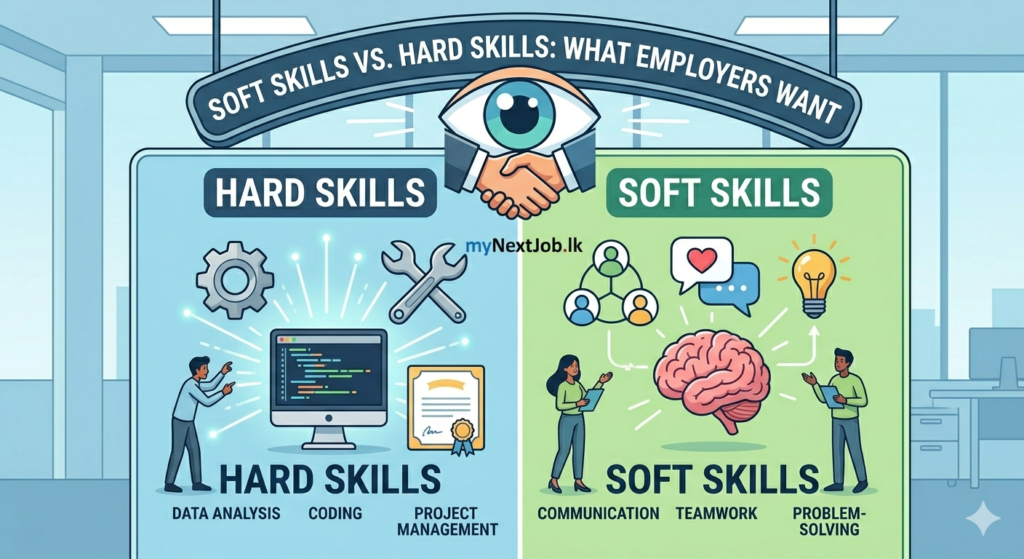
    In today’s competitive job market, particularly in 2026, it is essential to emphasize both hard and soft skills when responding to common interview questions. Hard skills refer to the specific technical abilities required for a job, such as proficiency in software programs, data analysis, or project management. Conversely, soft skills encompass personality traits and interpersonal capabilities like communication, teamwork, and adaptability. Both categories of skills are increasingly important, as employers seek candidates who not only excel at their tasks but can also effectively collaborate with teams and navigate change.

    When answering questions like “What are your strengths?” or “Can you describe a challenge you faced at work?”, it becomes critical to weave relevant skills and values into your responses. For instance, if discussing your strengths, you might say, “I excel at both technical project management and fostering team communication. During a recent project, I implemented Agile methodologies, which improved our workflow. This experience honed my ability to adapt to unforeseen challenges while ensuring that my team remained aligned and focused on our goals.”

    Additionally, when confronted with behavioral questions, such as “Describe a time you worked in a team,” be specific about how your skills contributed to the team’s success. A response could highlight your adaptability by stating, “In a project where our key team member left unexpectedly, I took the initiative to redistribute tasks effectively while keeping the team motivated and engaged. This experience not only showcased my resilience under pressure but also reinforced the importance of collaboration.” By providing concrete examples that illustrate both sets of skills, candidates can enhance their chances of impressing interviewers with their comprehensive capabilities and values.

  • An Essential Guide to Writing a CV for the Sri Lankan Job Market

    An Essential Guide to Writing a CV for the Sri Lankan Job Market

    Understanding the Importance of a CV in Sri Lanka

    A curriculum vitae (CV) plays a vital role in the Sri Lankan job market, serving as the primary tool through which job seekers present their qualifications to potential employers. In Sri Lanka, the recruitment process can be highly competitive, and having a well-crafted CV can significantly influence an applicant’s chances of securing an interview. It is important to understand that a CV differs from a resume; while both documents detail one’s educational and professional experience, a CV is typically more comprehensive and can extend beyond one page, allowing candidates to provide a fuller picture of their skills and accomplishments.

    Employers in Sri Lanka often expect candidates to submit a CV that articulates their academic background, work experience, and any relevant skills or certifications. This expectation mandates that job seekers not only maintain clarity and conciseness in their writing but also emphasize relevant achievements tailored to the specific job being applied for. Additionally, maintaining a professional tone and standard formatting is crucial, as it reflects the applicant’s attention to detail and professionalism.

    It is also essential to be aware of the unique features of the Sri Lankan job application process. Many industries place a strong emphasis on qualifications from recognized local institutions, so highlighting relevant educational credentials can be beneficial. Cultural considerations should also be taken into account; for instance, including voluntary work, extracurricular activities, or community service can positively impact how a CV is perceived by potential employers. By adhering to these cv writing tips in Sri Lanka, candidates can better position themselves within a highly competitive job landscape.

    Key Components of a CV

    Creating a compelling CV for the Sri Lankan job market requires careful attention to detail and structure. A well-organized CV typically consists of several key components, beginning with personal information. This section should include your full name, contact details, and any relevant links, such as a LinkedIn profile. Make sure to present this information clearly at the top of the document, as it allows potential employers to easily reach you.

    Next, academic qualifications are crucial. In Sri Lanka, most employers value educational background highly. List your degrees in reverse chronological order, starting from the most recent. Include the name of the institution, degree obtained, and the year of graduation. You may also want to highlight any honors or distinctions to set yourself apart from other candidates.

    Another essential component is work experience. This section should also be formatted in reverse chronological order and must include specific details about your job roles, durations of employment, and key achievements. Focus on accomplishments that directly relate to the position you are applying for, as this demonstrates your capability and potential value to the employer.

    The skills section is equally important. Here, you should list relevant skills that demonstrate your suitability for the position, including both hard and soft skills. Tailor this section according to the job requirements, emphasizing skills that align with the needs of prospective employers in Sri Lanka.

    Finally, consider adding a references section, where you can provide contact information for people who can vouch for your qualifications and work ethics. Including references reinforces your credibility and showcases your professional network.

    By organizing these components effectively and presenting them clearly, you can ensure your CV stands out in the competitive job landscape of Sri Lanka. Utilizing CV writing tips Sri Lanka may also give you insights into local preferences and expectations, further enhancing your document’s impact.

    Tailoring Your CV for Specific Job Applications

    In today’s competitive job market in Sri Lanka, the ability to effectively tailor your CV for specific job applications is paramount. Each job posting has unique requirements and it is essential to align your CV accordingly, thereby increasing your chances of securing an interview. Customizing your CV allows you to highlight the skills and experiences that are most relevant to the position while also demonstrating your understanding of the company and its goals.

    Start by carefully reading the job description. Identify key skills and qualifications that employers are seeking. Make a list of these attributes and assess how your background aligns with them. This targeted approach helps you focus on the most pertinent aspects of your professional experience, ensuring that your CV resonates with potential employers.

    Utilizing relevant keywords from the job posting is a vital strategy when crafting your CV. Many companies in Sri Lanka employ applicant tracking systems (ATS) that scan CVs for specific keywords related to the job. Therefore, incorporating these terms naturally into your CV not only fulfills ATS requirements but also conveys your competency in the required areas. For instance, if a job calls for “project management” experience, ensure that this phrase appears in your CV along with any quantifiable achievements associated with project management.

    In addition to skills and qualifications, consider the company’s culture and values. Researching the organization allows you to reflect attributes that align with their ethos. If the company emphasizes teamwork and collaboration, highlight experiences where you successfully worked in team environments. Adapting your CV in this manner demonstrates that you are not only capable but also a suitable fit for the organizational culture.

    In conclusion, the practice of customizing your CV for individual job applications in Sri Lanka is essential. By focusing on relevant skills, leveraging keywords, and aligning with the company’s values, you can significantly enhance your CV’s impact and facilitate a higher rate of success in the job application process.

    Common Mistakes to Avoid When Writing a CV

    In the Sri Lankan job market, crafting an impactful CV is crucial for job seekers, yet many individuals fall prey to common mistakes that can hinder their chances of securing an interview. One prevalent mistake is the lack of customization for each job application. A generic CV often fails to align with the specific requirements of the role, making it less appealing to employers. Therefore, candidates should ensure that their CV is tailored to highlight relevant experience and skills, directly responding to the job description.

    Another frequent pitfall is the excessive length of the CV. Long documents can deter hiring managers who may not have the time to sift through unrelated information. Ideally, a CV should be concise, ideally one to two pages, focusing on key accomplishments, skills, and experiences that directly relate to the job. This helps in maintaining the reader’s attention and conveying the most pertinent information quickly.

    Additionally, many job seekers overlook the importance of clear formatting and organization. A cluttered CV with inconsistent fonts, styles, and sizes can create a negative impression. Utilizing standard fonts and clearly defined sections can enhance readability. Employing bullet points to list achievements and responsibilities can make the CV more aesthetically appealing and easier to navigate.

    Another mistake occurs when applicants fail to proofread their documents. Spelling and grammatical errors can suggest a lack of attention to detail, which may lead employers to question a candidate’s professionalism. It is advisable to review the CV multiple times and consider having a second pair of eyes for a thorough check.

    Employing these cv writing tips in Sri Lanka can significantly increase the likelihood of capturing a potential employer’s interest. Avoiding these common mistakes will contribute to presenting a polished and effective CV that stands out in a competitive job market.